


Families who play social board and card games weekly report 30% stronger bonds and 25% less loneliness. These games transform ordinary evenings into powerful connection moments. Whether you choose cooperative challenges, competitive trivia, or conversational games, the act of playing together builds communication skills and emotional closeness that last far beyond game night.
Table of Contents
- Introduction To Social Interaction In Gaming
- The Social And Emotional Benefits Of Gaming Interaction
- How Game Pace Influences Social Engagement
- Cooperative Vs Competitive Game Formats And Social Dynamics
- Game Types And Their Unique Social Interaction Benefits
- Common Misconceptions About Social Interaction In Gaming
- Maximizing Social Interaction Through Game Selection And Facilitation
- Conclusion: Enhancing Game Nights With Social Connection
- Discover More Great Games To Boost Your Game Nights
- Frequently Asked Questions
Key Takeaways
| Point | Details |
|---|---|
| Social gaming strengthens bonds | Weekly game nights increase family cohesion by 30% and reduce loneliness by 25%. |
| Game pace matters | Fast games under 30 minutes keep energy high and conversation flowing naturally. |
| Multiple formats work | Both cooperative and competitive games build trust and connection through different social dynamics. |
| Age diversity benefits | Social card and board games create meaningful interaction across all age groups. |
Introduction to Social Interaction in Gaming
Social interaction in gaming means the communication, cooperation, and emotional connection that happens when people play together. It goes beyond simply following rules. Players share laughs, negotiate strategies, tell stories, and create memories that strengthen relationships.
Social interaction in board games fosters communication and bonding through natural, unforced conversation. Unlike screen time, face to face gaming demands presence and engagement.
Popular social game types for families and friends include:
- Cooperative games where players work together toward a shared goal
- Competitive games that spark friendly rivalry and playful banter
- Conversational games encouraging personal sharing and deeper understanding
- Trivia games promoting knowledge exchange and team collaboration
- Skill based challenge games building teamwork through hands on tasks
Understanding family game night importance helps you see why these moments matter. Games create a structured space for interaction without the pressure of forced conversation. Players naturally open up, joke around, and connect while focused on play. This organic social environment makes game nights uniquely powerful for building lasting bonds across generations.
The Social and Emotional Benefits of Gaming Interaction
Playing social games together improves how families and friends communicate. Cooperative games require players to explain strategies, listen actively, and adjust plans together. These skills transfer directly to daily interactions outside game night.
Emotional connection deepens when people share experiences. Winning together, laughing at mistakes, or playfully competing creates positive memories. Families engaging in weekly social games had 30% higher cohesion scores and 25% less reported loneliness after six months, demonstrating measurable improvements in relationship quality.
Regular game nights create predictable opportunities for quality time, reducing the isolation many families experience in busy modern life.
Key emotional and social benefits include:
- Reduced stress through laughter and play
- Increased empathy from seeing others’ perspectives during gameplay
- Stronger trust built through cooperative problem solving
- Enhanced communication from practicing active listening
- Lower anxiety in shared, structured social settings
The study on family cohesion and loneliness reveals that consistency matters most. Weekly sessions outperform monthly gatherings because regular interaction builds habits and deepens relationships progressively. Even 30 minutes of focused play creates meaningful impact when done consistently.
Shared game experiences become reference points for future conversations. Inside jokes emerge, family traditions form, and relationships gain depth through accumulated positive interactions that family cohesion from game night naturally provides.
How Game Pace Influences Social Engagement
Game duration directly affects how much players talk and connect. Faster paced games under 30 minutes keep energy levels high and attention sharp. Quick rounds mean more opportunities for different players to shine and more natural conversation breaks.
Optimal playtime for social games falls between 15 and 45 minutes per session. This window maintains engagement without fatigue. Players stay present, jokes land better, and everyone remains invested in outcomes.
Key pace considerations:
- Games under 20 minutes work perfectly for mixed age groups with shorter attention spans
- 30 to 45 minute games allow deeper strategy while maintaining social energy
- Games exceeding 60 minutes risk reduced conversation as players focus intensely on complex mechanics
- Multiple short games in one evening create varied experiences and keep excitement fresh
Pro Tip: Choose games with 20 to 30 minute play times when hosting mixed age groups. Shorter sessions let younger players stay engaged while giving adults enough depth to enjoy strategic thinking. You can always play multiple rounds if everyone wants more.
Longer games sometimes reduce sociability because players concentrate on intricate rules rather than each other. While some groups love epic gaming sessions, game pace and social engagement research shows most families connect better with brisk, lively games that prioritize interaction over complexity.
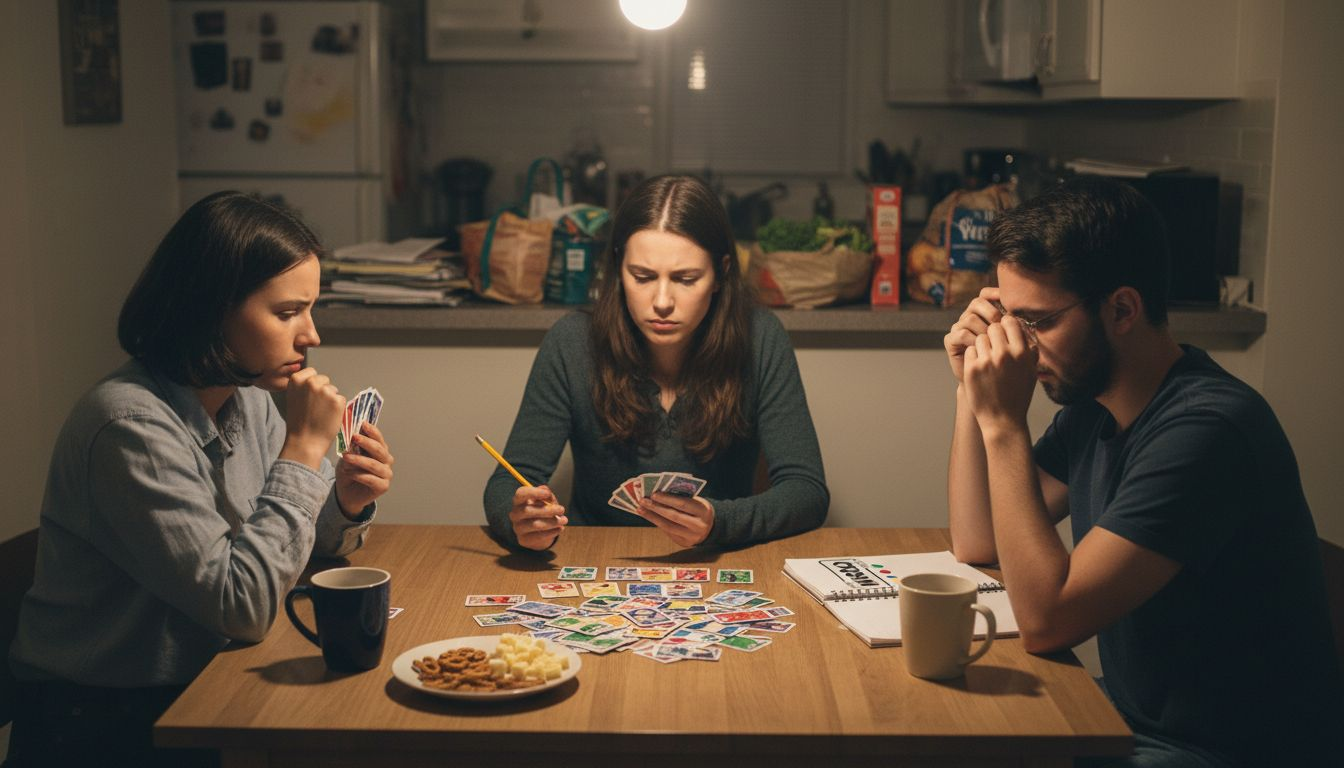
Fast games also lower barriers to entry. New players jump in easily, reducing the intimidation factor that stops some people from joining game night.
Cooperative vs Competitive Game Formats and Social Dynamics
Cooperative games build trust through shared challenges. Players must communicate openly, divide responsibilities, and celebrate victories together. This format teaches collaboration skills and creates unified experiences where everyone wins or loses as a team.
Competitive games offer different but equally valuable social benefits. 45% of players in competitive games report increased enjoyment and social bonding through friendly competition, proving rivalry can strengthen relationships when kept lighthearted.
| Format | Social Dynamic | Best For | Communication Style |
|---|---|---|---|
| Cooperative | Trust building through teamwork | Groups seeking unified goals | Open strategy discussion and planning |
| Competitive | Playful rivalry and banter | Mixed skill levels wanting individual achievement | Teasing, encouragement, and friendly trash talk |
| Hybrid | Balanced challenge with varied interaction | Diverse groups with different preferences | Flexible between collaboration and competition |
The key to social bonding in competitive games lies in maintaining positive spirit. When players laugh at their own mistakes and cheer others’ clever moves, competition becomes connection rather than conflict.
Pro Tip: Alternate between cooperative and competitive games throughout your game night. Start with a cooperative game to build group unity, then switch to competitive formats for energetic engagement. This balance keeps social dynamics fresh and gives different personality types chances to thrive.
Cooperative vs competitive games each serve distinct social purposes. Cooperative formats work beautifully for building new relationships or healing strained ones. Competitive games energize established groups and add excitement to regular gatherings. Understanding these differences helps you choose games matching your social goals.
Game Types and Their Unique Social Interaction Benefits
Different game genres create distinct social experiences. Matching game type to your group’s mood and goals maximizes connection and enjoyment.
Conversational games encourage vulnerability and emotional bonding:
- Prompt deep personal sharing through thoughtful questions
- Create safe spaces for expressing feelings and experiences
- Help friends and couples learn surprising things about each other
- Build empathy through storytelling and active listening
Trivia games foster knowledge exchange and collaborative learning:
- Spark interesting discussions about diverse topics
- Let different players shine based on varied expertise
- Encourage team formats where knowledge pooling creates success
- Generate natural teaching moments and friendly debate
Skill based games promote teamwork through physical or mental challenges:
- Require coordination and real time communication
- Create memorable moments through shared successes and hilarious failures
- Build confidence as players discover hidden talents
- Generate excitement through timed challenges and visible progress
Food themed party games combine multiple benefits by mixing trivia, creativity, and conversation around universally loved topics. Music guessing games unite generations through shared cultural references and friendly competition.
The unique benefits of game types become clear when you consider your group’s composition. Families with teens might prefer music or trivia games that let younger members showcase current knowledge. Couples seeking deeper connection choose conversational formats. Friend groups wanting energetic fun gravitate toward skill challenges and party games.
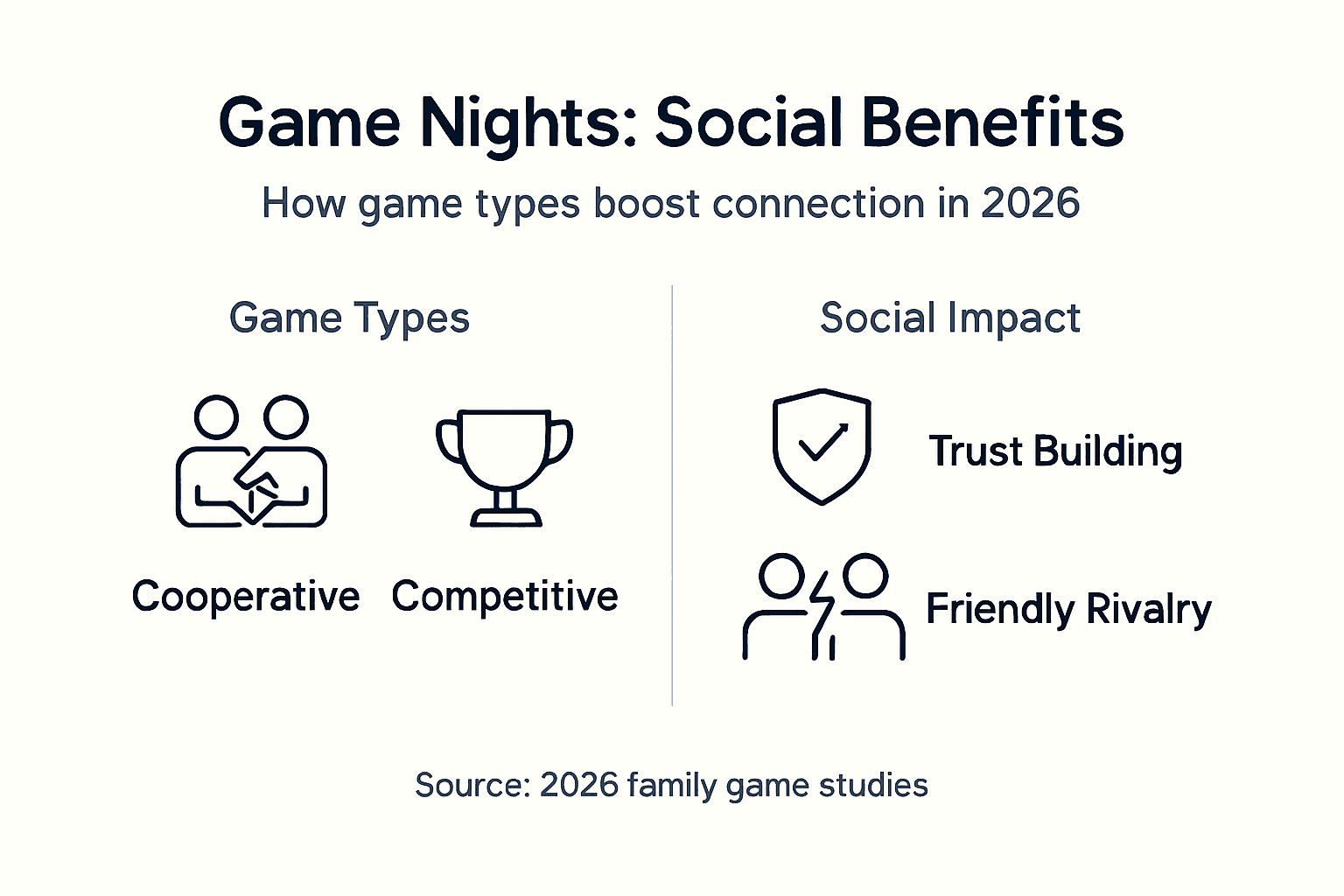
Matching game type to social goals transforms good game nights into unforgettable bonding experiences.
Common Misconceptions About Social Interaction in Gaming
Several myths prevent people from fully embracing social gaming’s potential. Let’s clear up the most persistent misunderstandings.
-
Only cooperative games build social bonds. Competitive games create equally strong connections through playful rivalry, shared excitement, and mutual respect. The format matters less than the spirit players bring.
-
Competition causes family conflict. Friendly competition actually strengthens relationships when approached with humor and grace. Teaching kids to win and lose gracefully builds character and resilience.
-
Social gaming benefits only apply to children. Adults gain tremendous value from game nights, including stress relief, maintained friendships, and cognitive stimulation. Seniors particularly benefit from regular social gaming.
-
You need expensive or complex games for meaningful interaction. Simple card games often spark better conversation than elaborate board games because players focus on each other rather than complicated rules.
-
Introverts don’t enjoy social gaming. Many introverts prefer structured social settings like game nights over unstructured socializing. Games provide natural conversation topics and built in breaks from intense interaction.
-
Screen based gaming offers the same social benefits. While online gaming has value, face to face gaming provides nonverbal communication, physical presence, and undivided attention that screens cannot replicate.
Understanding these realities helps families and friends approach game nights with realistic expectations and open minds about what creates genuine connection.
Maximizing Social Interaction Through Game Selection and Facilitation
Strategic game selection and thoughtful facilitation turn ordinary game nights into powerful bonding experiences. Follow these practical steps.
-
Assess your group size and age range first. Games designed for 4 to 6 players work differently than those for 8 plus. Match complexity to your youngest player’s ability.
-
Define your social goal before choosing games. Want deep conversation? Pick conversational formats. Need energy and laughter? Choose fast paced party games. Building teamwork? Select cooperative challenges.
-
Prioritize games with 20 to 30 minute play times for maximum engagement and variety. Shorter games let you pivot if one doesn’t land well.
-
Create inclusive environments by explaining rules clearly and encouraging questions. Never shame players for mistakes or lack of knowledge.
-
Facilitate positive interaction by modeling good sportsmanship, celebrating clever plays from any player, and keeping conversation flowing during downtime.
-
Encourage storytelling by asking players to explain their thinking or share related memories. These organic conversations create the deepest bonds.
Pro Tip: Keep a rotation of 5 to 7 favorite games that match different moods and energy levels. This variety prevents boredom while maintaining familiarity that helps shy players feel comfortable. Game selection and facilitation tips emphasize preparation as key to smooth, enjoyable sessions.
The best facilitators read the room and adjust accordingly. If energy dips, switch to a faster game. If conversation flows beautifully, let the current game extend naturally. Flexibility beats rigid adherence to plans.
Conclusion: Enhancing Game Nights with Social Connection
Social interaction transforms gaming from simple entertainment into relationship building opportunities. The 30% increase in family cohesion and 25% reduction in loneliness that regular game nights provide proves their power.
Whether you choose cooperative teamwork, competitive challenges, or conversational depth, the format matters less than consistency and positive spirit. Fast paced games maintain energy, diverse game types keep experiences fresh, and thoughtful facilitation ensures everyone feels included.
Start small with one weekly game night. Choose games matching your group’s interests and energy. Watch how shared laughter, friendly competition, and collaborative problem solving strengthen your relationships naturally. The memories you create and bonds you build will far outlast any individual game.
Discover More Great Games to Boost Your Game Nights

Ready to transform your game nights into unforgettable bonding experiences? Playworldgame.com offers carefully curated social card and board games designed for families and friends seeking genuine connection.
Our collection includes conversational games for deep sharing, trivia challenges for knowledge exchange, and fast paced party games that keep energy high. Explore best play with friends games for competitive fun, discover social learning through games benefits for cooperative options, and check out family game night tips for planning guidance. Every game in our lineup prioritizes what matters most: bringing people together.
Frequently Asked Questions
What makes a game socially engaging?
Socially engaging games require meaningful player interaction, encourage communication, and create shared emotional experiences. Look for games with teamwork elements, opportunities for conversation, or friendly competition that keeps everyone involved. Fast paced formats under 30 minutes typically maintain higher engagement than longer, complex games.
How do competitive games contribute to bonding?
Competitive games build bonds through shared excitement, playful rivalry, and mutual respect. When players maintain positive attitudes, competition creates memorable moments and inside jokes. The key is balancing the desire to win with genuine enjoyment of others’ successes, turning rivalry into connection.
Are fast paced games better for social interaction?
Fast paced games generally promote more social interaction because they maintain high energy and create natural conversation breaks between quick rounds. Games lasting 20 to 30 minutes work best for most groups, though some families enjoy longer strategic games. Match pace to your group’s attention span and preferences.
How can I encourage shy players to engage?
Create safe environments by choosing games with lower pressure formats, explaining rules thoroughly, and celebrating all contributions equally. Start with cooperative games where shy players support the team without spotlight pressure. Ask open ended questions about their strategies and validate their ideas to build confidence gradually.
What age range benefits most from social card and board games?
All ages benefit from social gaming, from young children developing communication skills to seniors maintaining cognitive function and social connection. The key is choosing age appropriate games and mixing generations intentionally. Families with members aged 8 to adult find the widest game selection, but options exist for every stage of life.