


Every parent faces the challenge of keeping their child both entertained and learning, especially when it comes to tricky subjects like geography. Finding ways to combine family time with real educational value can seem daunting, but educational games create attractive learning environments where kids are naturally curious and engaged. These games make it possible for your child to explore world capitals and cultures while having a fun evening together, making new discoveries feel like play instead of homework.
Table of Contents
- What Are Educational Games And Their Purpose
- Types Of Educational Games And Key Differences
- How Games Enhance Motivation And Engagement
- Building Critical Thinking And Social Skills Through Play
- Risks And Challenges When Using Games In Schools
- How To Choose Age-Appropriate Learning Games
Key Takeaways
| Point | Details |
|---|---|
| Engagement through Play | Educational games combine learning with fun, fostering better memory retention compared to traditional methods. |
| Types of Educational Games | Serious games, gamification, and game-based learning each offer unique approaches to enhance engagement and learning outcomes. |
| Social Skills Development | Playing educational games promotes critical thinking and enhances social interaction skills among children. |
| Choosing the Right Game | Selecting games that align with your child’s interests and age ensures they remain challenged and engaged in the learning process. |
What Are Educational Games and Their Purpose
Educational games are far more than just entertainment. They are games specifically designed with learning objectives in mind, whether that’s teaching geography, history, language skills, or critical thinking. These games can take many forms—board games, card games, or video games—but they all share a common goal: making learning engaging and memorable. Unlike traditional worksheets or textbooks, educational games create attractive learning environments where children naturally absorb information while having fun. For your family, this means your child can spend an evening learning about world capitals or cultural differences while playing a game around the dinner table, without realizing they’re studying.
The purpose of educational games goes beyond simply delivering facts. These games help players understand complex subjects, reinforce important skills, and engage with historical events or cultures in ways that stick with them long after the game ends. When your child plays a geography-focused board game, they’re not just memorizing country names—they’re building spatial awareness, learning about different cultures, and developing problem-solving skills simultaneously. The games provide enjoyment, motivation, and social interaction, which are the ingredients that make learning actually stick. Research shows that games help students learn by doing, improving knowledge retention far better than passive learning methods. Your kids remember the rules of a game they played last week because they were actively engaged, not because you told them to memorize something.
What makes educational games particularly valuable for families is how they transform learning into quality time together. These games create opportunities for parents and children to bond while building knowledge about the world. When you’re playing with your child, you’re modeling curiosity about geography and culture, answering questions in real-time, and reinforcing what they’re learning through conversation. The games combine education and entertainment in a way that keeps children motivated and engaged, even when the topic is one they might find dry in a classroom setting. For North American families looking to supplement their children’s education or create meaningful learning experiences at home, educational games offer a proven way to make geography and general knowledge come alive.
Pro tip: _Start with games that match your child’s current interests—if they love animals, choose a geography game that highlights wildlife; if they’re interested in sports, find one that teaches about different countries through their national teams. This connection to existing interests makes the learning feel natural rather than forced.
Types of Educational Games and Key Differences
Not all educational games work the same way, and understanding the different types helps you choose what works best for your family. The main categories break down into three distinct approaches. Serious games are explicitly designed with educational goals in mind from the start, with entertainment as a secondary benefit. Gamification takes a different approach by transforming the entire learning experience into a game structure to boost motivation and engagement. Game-based learning uses commercial games that were originally created for entertainment but are adapted and integrated into educational settings. Each type has its own strengths, and the best choice depends on your child’s learning style and your family’s goals. When you understand these differences, you can select games that align with what you want your child to learn.
Serious games are intentionally crafted with specific learning outcomes in mind, making them particularly effective for geography and cultural education. A board game focused on world capitals or cultural traditions is built from the ground up to teach those concepts while keeping players engaged. These games typically have rules and mechanics that reinforce the educational content, so learning happens naturally as part of gameplay. Gamification, on the other hand, takes learning content and wraps it in game mechanics like points, levels, or challenges to make traditional learning feel more like play. This approach works well for building habits and maintaining motivation over time, though the original content might not have been educational. Game-based learning combines commercial games with intentional educational integration, using games created for fun but adapted for classroom or home learning. For families, serious games designed specifically for education tend to offer the most direct path to knowledge building, while gamification excels at keeping kids motivated and coming back for more.
The key difference that matters for your family is how deliberately each type connects to learning goals. A serious game about geography has every element designed to teach you about countries, capitals, and cultures. A gamified learning experience might use game mechanics to make studying those same topics feel rewarding and fun. A commercial game adapted for education relies on the game’s inherent appeal while you guide your child to extract educational value. All three can work, but serious games designed for families tend to provide the clearest learning outcomes because they balance educational value with genuine enjoyment. When selecting games for your child, look for those that were intentionally created with the subject matter in mind, as these provide thoughtful integration into learning experiences that benefit both cognitive development and social skills.
Pro tip: Start with games designed specifically for your child’s grade level and interests, then supplement with gamified learning experiences to reinforce specific skills where they need extra practice and motivation boost.
Here’s a comparison of the main types of educational games:
| Game Type | Primary Purpose | Typical Examples | Best For |
|---|---|---|---|
| Serious Games | Direct educational outcomes | Geography board games | Focused knowledge |
| Gamification | Boosting motivation | Points or levels in lessons | Building habits |
| Game-Based Learning | Integrate commercial games | Adapted trivia games | Engagement and fun |
How Games Enhance Motivation and Engagement
Your child’s motivation to learn makes all the difference in what they actually retain and understand. Games tap into something traditional textbooks simply cannot: the desire to play and succeed. When a child sits down with a geography board game, they’re not thinking about studying capitals or currencies. They’re thinking about winning, beating their siblings, or achieving the next level. This shift in mindset transforms learning from a chore into something they genuinely want to do. Gamification and educational games significantly boost motivation by providing immersive experiences that make learning feel rewarding rather than obligatory. The interactive nature of games creates what psychologists call intrinsic motivation, where children want to learn because it feels good, not because they have to.
Engagement happens naturally when games are involved because they demand active participation. Unlike watching a video or reading a textbook, games require your child to make decisions, solve problems, and interact with the material. When your child plays a game about world cultures, they’re not passively receiving information. They’re actively choosing strategies, answering questions, predicting outcomes, and competing or cooperating with other players. Game-based elements increase engagement by promoting active participation and social interaction, which means learning happens in context rather than isolation. The feedback loop built into games also matters tremendously. Your child gets immediate results from their choices, whether that’s gaining points, moving forward on a board, or unlocking new content. This constant feedback keeps them engaged and motivated to improve, which naturally leads to deeper learning and better retention.
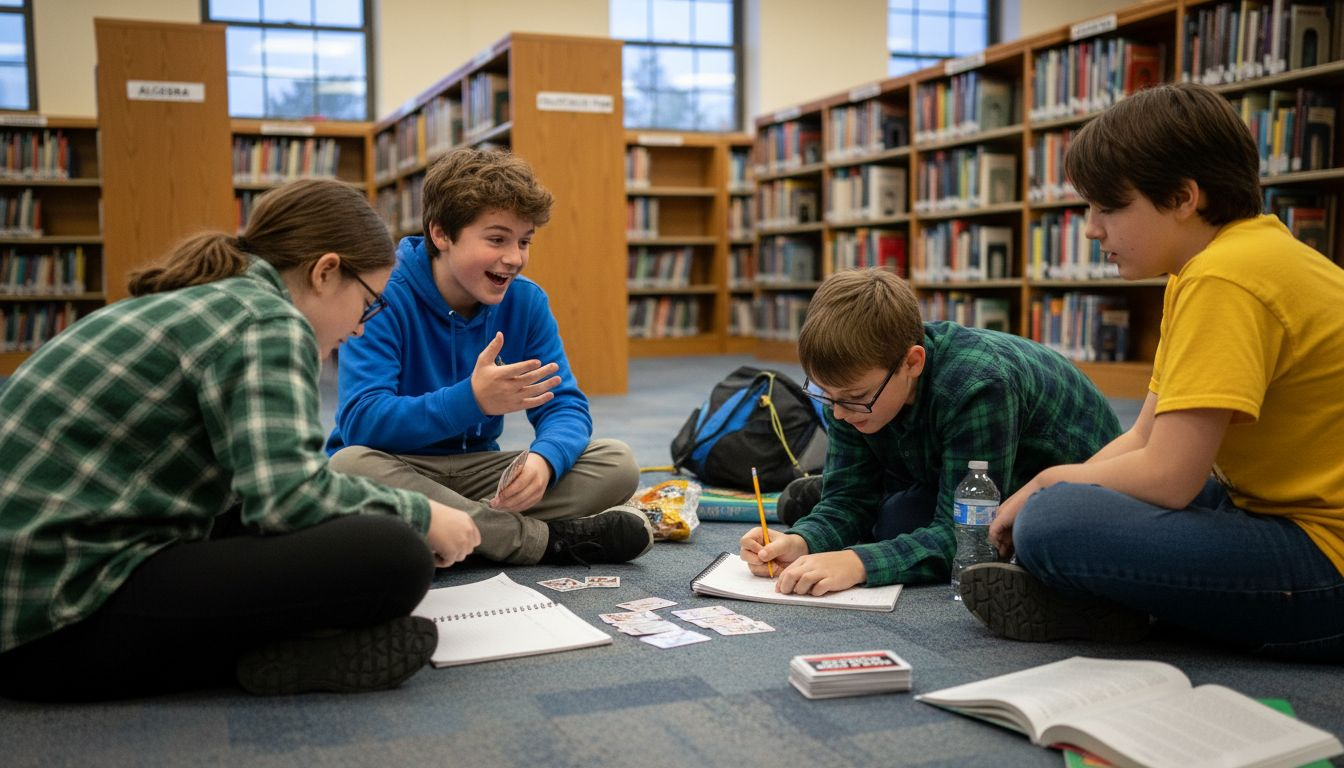
The social element of games amplifies motivation in ways that solo learning cannot match. When you play a geography game with your child or they play with siblings, they’re not just learning facts. They’re building memories, experiencing friendly competition, and enjoying quality time together. Games create opportunities for conversation about the topics they’re learning, allowing you to answer questions and expand on concepts in real time. Your presence as a parent transforms the game from entertainment into a genuine learning experience where you reinforce what’s being taught. Research shows that games enhance collaborative skills and provide feedback opportunities that contribute to more effective learning. The combination of engagement, immediate feedback, and social interaction creates an environment where your child naturally becomes more motivated to continue learning and exploring the material.
Pro tip: Choose games where the difficulty gradually increases so your child experiences consistent success but still feels challenged, which keeps motivation high without leading to frustration.
Building Critical Thinking and Social Skills Through Play
When your child plays a geography game, they’re doing far more than memorizing facts. They’re developing critical thinking skills that will serve them in every academic subject and life situation. Games present problems that require solutions. Should they trade that territory card to get closer to winning? How can they answer that capital question correctly? What’s their strategy for the next turn? These aren’t passive moments. Your child is analyzing information, weighing options, and making decisions based on reasoning. Learning through play promotes development of critical thinking and problem-solving skills by requiring active engagement with material and constant decision-making. Unlike a worksheet where there’s one right answer and they either get it or they don’t, games create scenarios where multiple strategies might work, forcing your child to think flexibly and adapt their approach when something isn’t working.
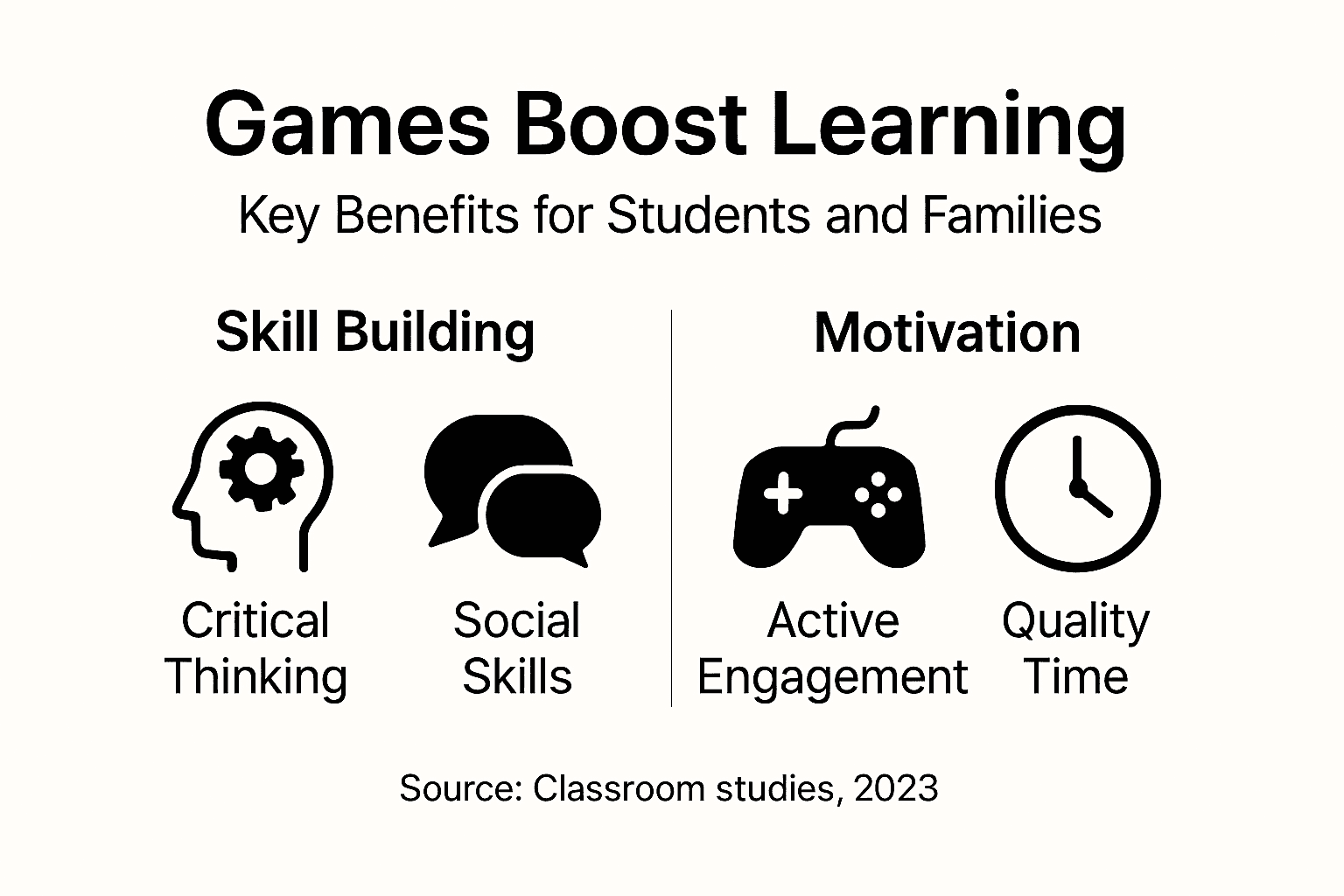
The social dimension of games transforms them into powerful tools for developing interpersonal skills that schools increasingly recognize as vital. When your child plays with siblings or friends, they navigate cooperation, negotiate rules, handle winning gracefully, and manage losing without shutting down. They learn to take turns, wait their moment, and celebrate others’ successes. Play-based learning using traditional games supports social skills development including cooperation, teamwork, and conflict resolution, creating authentic opportunities to practice these skills in low-stakes environments. A game night at home provides natural moments to teach emotional regulation. Your child gets frustrated after losing? That’s a teachable moment where you can discuss how champions handle setbacks. Someone argues about rules? Perfect opportunity to practice communication and compromise. These aren’t forced lessons. They emerge naturally from gameplay, making the learning stick because it’s connected to real experience.
The holistic development that happens through play can’t be replicated by traditional instruction alone. As your child engages with educational games, they’re simultaneously building confidence, resilience, cultural appreciation, and moral values. When your child plays games about world cultures, they’re not just learning geography. They’re developing empathy and understanding for people different from themselves. They’re building self-confidence when they answer questions correctly and learning resilience when they don’t. They experience the joy of learning something new and the satisfaction of solving problems independently. The combination of cognitive challenge, social interaction, and emotional engagement creates a complete learning experience that supports your child’s development as a thinker, collaborator, and person. This is why educational games matter so much. They’re not just another way to teach facts. They’re a fundamental approach to developing the whole child.
Pro tip: Ask your child open-ended questions during and after gameplay about their strategies, decisions, and observations rather than just focusing on who won, which deepens critical thinking and reinforces learning.
Risks and Challenges When Using Games in Schools
While educational games offer tremendous potential, schools face significant practical obstacles when trying to integrate them effectively. Teachers juggle packed schedules, curriculum mandates, and classroom management demands. Adding games to this mix requires planning, setup time, and sometimes technical troubleshooting that many educators simply don’t have bandwidth for. Beyond time constraints, integrating games into education requires addressing teacher professional development and curriculum adaptation to ensure games align with learning objectives rather than feeling like diversions. A teacher might find a brilliant geography game but struggles to connect it meaningfully to their existing lesson plan. They may not have been trained on how to facilitate learning through games versus traditional instruction. Without proper support, games can become glorified entertainment rather than genuine teaching tools, which undermines their educational value and frustrates both educators and students.
Attitudinal barriers present another significant challenge that often goes unspoken in schools. Many administrators and teachers view games primarily as entertainment, not serious educational tools. This skepticism means that even when games could effectively teach content, they’re dismissed as frivolous or a waste of classroom time. School policies may not allow time for games, or tech infrastructure might be outdated or insufficient. Additionally, insufficient game literacy among educators presents a barrier to effective implementation, meaning teachers don’t understand how to select appropriate games or facilitate learning through gameplay. Without knowledge about what makes a game educationally valuable versus merely entertaining, educators can’t evaluate options effectively. This creates a catch-22 where games aren’t used because people don’t understand their potential, but people won’t learn about their potential unless they’re given opportunities to experience them.
Diverse student needs add another layer of complexity to classroom game implementation. Not all students engage with the same game in the same way. Some children have learning disabilities that make traditional games difficult. Others may have social anxiety or struggle with competitive dynamics. A geography game that perfectly challenges one student might bore another or frustrate a third. Teachers must differentiate instruction and adapt games to meet individual needs, which requires time and expertise they often lack. For parents managing learning at home, many of these challenges simply don’t apply. You control the schedule, can choose games specifically matched to your child’s interests and abilities, and can provide personalized support during gameplay. This is one reason why family game nights focusing on educational games can be so powerful. You bypass many of the institutional barriers that schools face while gaining all the learning benefits.
Pro tip: If your child’s school is considering educational games, offer to volunteer your time or provide feedback on family experiences, which can help build teacher confidence and support successful adoption of game-based learning.
How to Choose Age-Appropriate Learning Games
Selecting the right educational game for your child isn’t just about picking something labeled as educational. It’s about matching the game’s complexity, content, and mechanics to your child’s current abilities and interests. A game that’s too advanced frustrates children and kills motivation. One that’s too simple bores them. The sweet spot is a game that challenges your child just enough to keep them engaged without making them feel defeated. Start by considering your child’s grade level, not as a rigid rule but as a starting point. A typical second grader has different cognitive abilities than a fifth grader, and game designers usually account for these differences when creating age recommendations. However, the best games grow with your child. Look for games where difficulty can be adjusted or where multiple difficulty levels exist, allowing the same game to remain interesting as your child develops. Reading level matters too. If a game requires reading skills your child hasn’t mastered yet, you might need to read cards or instructions aloud, which changes the experience. Consider whether that works for your family or if you’d prefer a game where your child can play more independently.
Beyond age, think about your child’s interests and learning style. A child fascinated by animals will engage more deeply with a geography game that highlights wildlife diversity than one focused purely on capitals and borders. Someone who loves competition will thrive with games involving points and rankings, while a child who gets discouraged by losing might prefer collaborative games where players work together toward shared goals. The content should align with what your child is studying or what you want them to learn. Games focused on world geography, cultural differences, or specific regions offer tremendous value for North American families seeking to broaden their children’s understanding of the world. When reviewing games, check what skills they target. Some games primarily build geography knowledge, while others emphasize strategic thinking, reading, or mathematical reasoning. The best educational games combine multiple skill areas, but understanding the primary focus helps you choose games that address your child’s specific learning needs or gaps.
Practical considerations matter as much as educational value. How many players does the game require? Can it be played with just you and your child, or does it need three or more? Games meant for four players become boring with two participants. Setup time and rule complexity should match your family’s patience level. A game requiring 20 minutes to set up and explain might frustrate families with younger children or busy schedules. Board games designed specifically for educational purposes in family and homeschool settings tend to balance educational value with practical playability, making them reliable choices for family learning. Check customer reviews and age recommendations carefully, but also watch for themes that appeal specifically to your child. Some games come with videos demonstrating gameplay, which gives you a clear sense of whether it matches your expectations. Don’t hesitate to start with one game, see how your family responds, and build from there. What works beautifully for one family might not fit another, and that’s perfectly normal.
Below is a summary of key factors to consider when choosing age-appropriate learning games:
| Factor | Why It Matters | What to Look For |
|---|---|---|
| Complexity | Ensures right cognitive challenge | Adjustable rules, levels |
| Child’s Interests | Drives engagement | Themes your child enjoys |
| Player Number | Affects family participation | Suits your typical group size |
| Setup Time | Fits into daily routines | Quick to set up and explain |
Pro tip: Read reviews specifically from parents rather than just educators, since parents comment on practical aspects like setup time, how long games actually take, and whether their children stayed engaged throughout.
Discover the Power of Educational Games for Your Family
If you are looking to overcome common challenges like keeping your child motivated, enhancing critical thinking, and turning learning about geography and cultures into a fun, engaging experience then educational games are the solution you need. The article highlights how serious games designed with specific learning outcomes create intrinsic motivation and social interaction that lead to deeper knowledge retention and meaningful family time. At Play World Game, you will find a wide selection of educational board and card games tailored to various age groups and interests that make learning an adventure.

Explore our collection at Browse All Games | The World Game to find age-appropriate, thoughtfully designed games that spark curiosity and critical thinking in children. Don’t wait to make family learning nights memorable and effective. Visit https://playworldgame.com now to choose games that transform education from a daily task into a joyful journey your child will want to take again and again.
Frequently Asked Questions
What are educational games and how do they enhance learning?
Educational games are designed with specific learning objectives, making them effective tools for engaging children in subjects like geography, history, and critical thinking. They create attractive learning environments where children absorb information while having fun.
What types of educational games are available for learning?
Educational games can be broken down into three main types: serious games, which are designed specifically for education; gamification, which applies game mechanics to traditional learning; and game-based learning, which adapts commercial games for educational use. Each type serves different learning objectives and styles.
How do games improve motivation and engagement in learning?
Games create a desire to play and succeed, transforming learning into an enjoyable activity rather than a chore. Their interactive nature fosters active participation, building intrinsic motivation and encouraging children to engage deeply with the material.
What should I consider when choosing educational games for my child?
When selecting educational games, consider your child’s age, interests, and learning style. Ensure the game matches their current abilities without being too challenging or too simple. Also, look for adjustable difficulty levels, player requirements, and setup time to fit your family’s needs.