


Every parent faces the challenge of keeping family time meaningful as children grow and learn. Choosing age-appropriate educational games is a smart way to support your child’s development while making game nights fun and interactive. By matching games to your child’s skills, personalities, and interests, you strengthen family bonds, encourage learning, and help everyone discover new cultures together. This guide highlights practical steps that make game selection, setup, and shared play easy and enjoyable for American families.
Table of Contents
- Step 1: Select Age-Appropriate Educational Games
- Step 2: Arrange Your Family-Friendly Game Zone
- Step 3: Set Shared Game Night Goals And Expectations
- Step 4: Explain Rules For Interactive Understanding
- Step 5: Facilitate Engaging Play And Learning
- Step 6: Review Experiences For Lasting Improvement
Quick Summary
| Key Insight | Explanation |
|---|---|
| 1. Choose age-appropriate games | Select games that match your child’s learning needs and developmental stage to ensure engagement and educational value. |
| 2. Create a family-friendly game zone | Design a welcoming and organized gaming space to enhance interaction, learning, and enjoyment during game nights. |
| 3. Set clear game night expectations | Develop shared goals and agreements to promote positive behavior and engagement during family game nights. |
| 4. Explain rules clearly and interactively | Use engaging methods to explain game rules to ensure all players understand and can participate fully. |
| 5. Review experiences for improvement | Regularly reflect on game nights to evaluate learning and enjoyment, helping to refine future choices and experiences. |
Step 1: Select age-appropriate educational games
Choosing the right educational game for your family requires careful consideration of your children’s developmental stages and learning needs. Age-appropriate game design involves understanding how different developmental stages impact children’s ability to engage with educational content.
When selecting games, assess your child’s cognitive skills, interests, and emotional maturity. Look for games that challenge them without causing frustration. For children aged 6 to 12, focus on games that build problem-solving skills, encourage strategic thinking, and introduce new concepts in an engaging manner. Official age ratings and parental reviews can provide valuable insights into a game’s suitability.
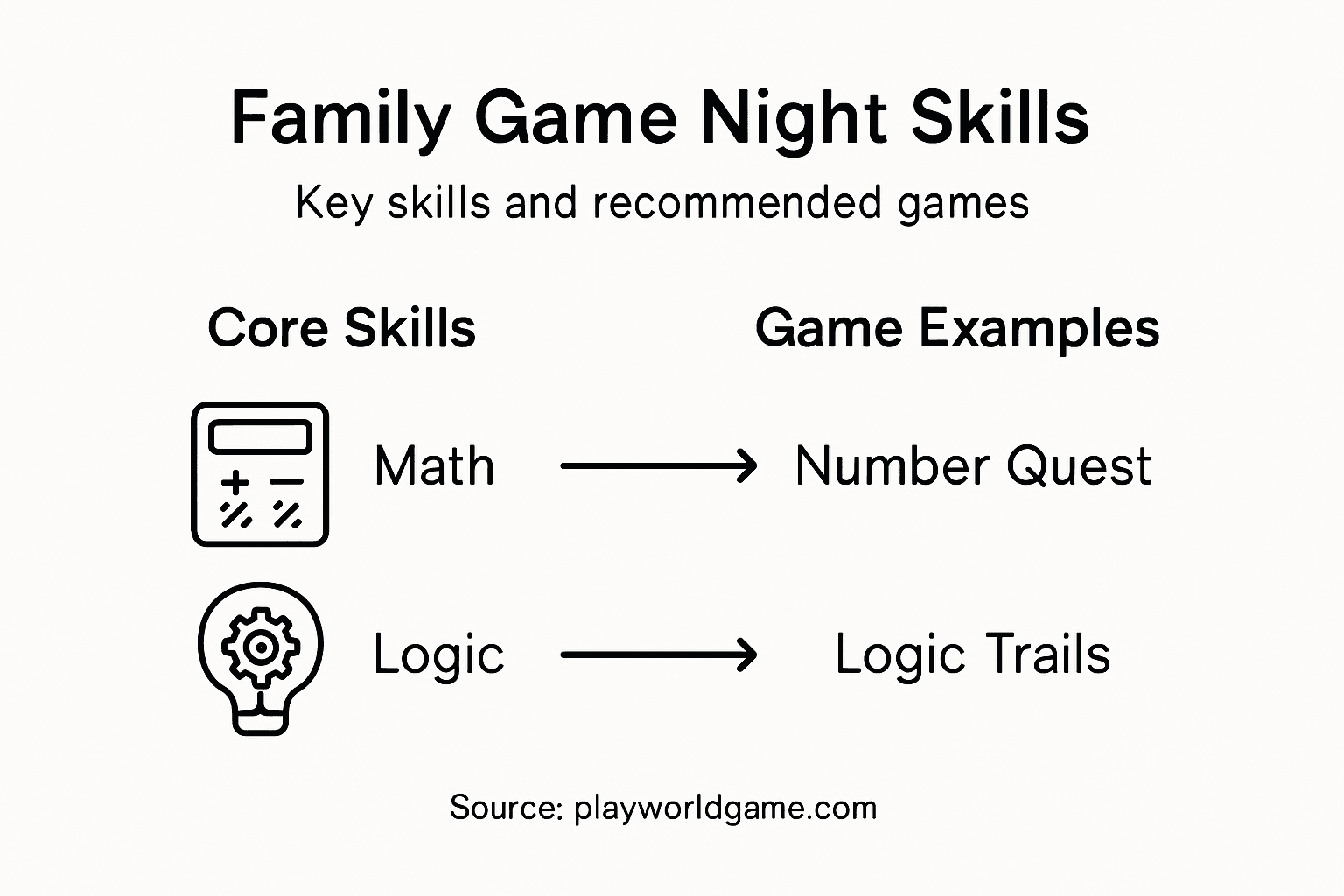
Consider the specific learning objectives you want to achieve. Some games focus on math skills, while others emphasize language development, geographical knowledge, or social interaction. Match the game’s educational goals with your child’s current learning needs to maximize both fun and intellectual growth.
Here’s a summary of how different educational game types support learning objectives:
| Game Type | Primary Skills Developed | Suitable Age Range |
|---|---|---|
| Puzzle Games | Logic and problem-solving | Ages 6-12 |
| Strategy Games | Planning and critical thinking | Ages 8+ |
| Word Games | Vocabulary and spelling | Ages 7-12 |
| Trivia/Quiz | General knowledge retention | Ages 8+ |
Pro tip: Create a small “game rating system” in your family where kids can provide feedback on how much they enjoyed and learned from each game, helping you refine future selections.
Step 2: Arrange your family-friendly game zone
Creating an inviting game zone in your home requires thoughtful planning and strategic setup. Family-friendly gaming spaces should facilitate interaction and provide a welcoming environment that supports engagement and learning. Consider a central location where everyone can comfortably gather without distractions.
Start by selecting an area with good lighting, comfortable seating, and enough space for players to move around. Ensure the space has easy access to electrical outlets for charging devices and good ventilation. Parental controls and safety measures are crucial when setting up your gaming zone. Use headphones to manage sound levels and create individual user accounts to protect younger family members from inappropriate content.
Organize your game collection in an accessible manner. Use shelves or storage cubes to categorize games by age group, difficulty level, or educational theme. Keep game pieces in clear containers and establish simple rules about keeping the area tidy. Include a small table or surface where players can place drinks and snacks without risking damage to game components.
Pro tip: Rotate your game zone setup periodically to keep the space feeling fresh and exciting, which helps maintain family members’ enthusiasm for game nights.
Step 3: Set shared game night goals and expectations
Successful family game nights begin with clear communication and aligned objectives. Establishing collaborative group agreements empowers every family member to participate actively and create a positive shared experience. This process helps ensure everyone understands and embraces the purpose of your game night.
Develop SMART goals for your family game activities by making them Specific, Measurable, Achievable, Relevant, and Time-bound. For instance, instead of a vague goal like having fun, create more intentional objectives such as learning one new strategy game per month, improving math skills through gameplay, or ensuring everyone gets an equal chance to choose games. Discuss these goals together as a family, allowing each member to contribute ideas and feel invested in the outcome.
Create a simple written or visual agreement that outlines expectations for behavior, turn taking, winning and losing graciously, and overall game night conduct. Include guidelines about device usage, respectful communication, and how conflicts will be resolved. This collaborative approach helps prevent misunderstandings and ensures that game nights remain enjoyable for everyone involved.
Pro tip: Review and adjust your game night goals quarterly to keep the experience fresh and responsive to your family’s evolving interests and skills.
Step 4: Explain rules for interactive understanding
Communicating game rules effectively requires a strategic and engaging approach that ensures all players comprehend the mechanics and enjoy the experience. Strategies for interactive rule explanation focus on creating a clear and accessible learning environment that welcomes players of all skill levels and ages.
Begin by gathering everyone together and creating a relaxed atmosphere. Use iterative explanation techniques that break down complex rules into simple digestible segments. Start with an overview of the game’s basic objective, then gradually introduce more detailed mechanics. Incorporate visual demonstrations by walking through a sample round, showing exactly how pieces move or actions are taken. Encourage questions and invite players to participate in a practice round where you can provide real time guidance and clarification.
Consider different learning styles when explaining rules. Some family members might prefer verbal instructions, while others learn better through visual or hands on demonstrations. Use a combination of verbal explanations, physical demonstrations, and perhaps even a quick walkthrough to ensure everyone understands. Confirm comprehension by asking players to explain key rules back to you and be patient with those who might need additional explanation.
Pro tip: Keep a simplified rules reference card nearby during gameplay to help players quickly refresh their understanding without interrupting the game’s flow.
Step 5: Facilitate engaging play and learning
Creating a dynamic and supportive game environment transforms play from mere entertainment into a powerful learning experience. Playful learning approaches emphasize creating opportunities for imaginative engagement that promote innovation and active participation.
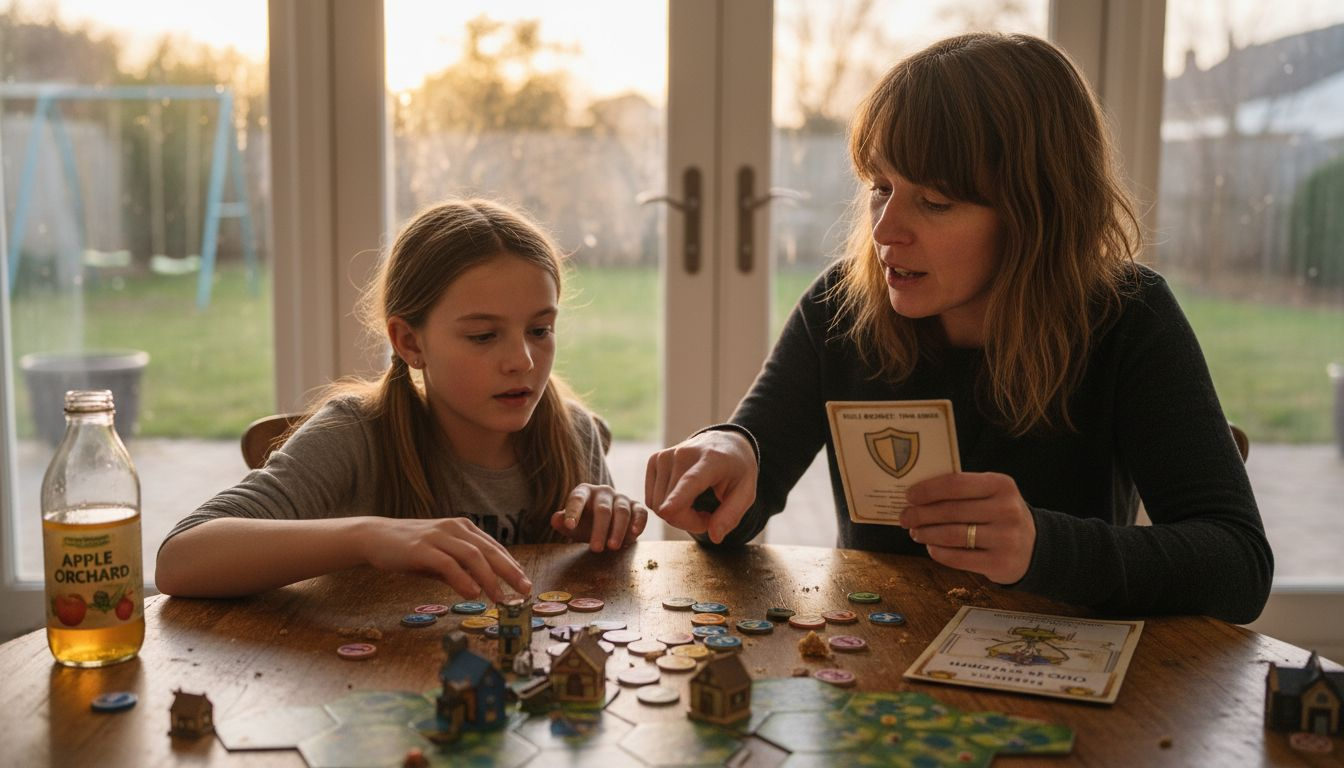
During gameplay, actively facilitate learning by asking open ended questions that encourage critical thinking and reflection. Prompt players to explain their strategies, discuss decision making processes, and analyze outcomes. This approach helps participants develop metacognitive skills while keeping the experience enjoyable and low pressure. Watch for moments where game mechanics naturally connect to real world concepts and gently highlight these connections without disrupting the game’s flow.
Encourage a growth mindset by celebrating effort, creativity, and learning over strict competition. Create an environment where making mistakes is seen as an opportunity for improvement rather than a failure. Rotate roles, suggest alternative strategies, and ensure that every player feels supported and motivated to explore and experiment during gameplay.
Pro tip: Introduce a brief post game reflection where family members share one thing they learned or enjoyed about the game to reinforce positive learning experiences.
Step 6: Review experiences for lasting improvement
Family game nights become transformative learning experiences when you intentionally reflect on and analyze your shared activities. Family learning evaluations are crucial for understanding the deeper impacts of your interactive experiences and identifying opportunities for future growth.
After each game night, schedule a brief but meaningful discussion where family members share their perspectives. Ask specific questions that go beyond simple enjoyment such as what strategies they discovered, what challenges they encountered, and what skills they felt they developed. Systematic documentation of learning impacts helps track skill development, motivation, and social interactions while providing valuable insights for future game selections.
Create a simple tracking system to record observations and insights. This might involve a shared journal, digital spreadsheet, or even a colorful poster where family members can note their learning experiences. Look for patterns in engagement, skill development, and areas where different family members shine. Use these observations to adjust game selections, modify gameplay approaches, and ensure that your family game nights continue to evolve and meet everyone personal and collective learning goals.
Use this reference to evaluate your next family game night:
| Review Criteria | Why It Matters | Example Prompt |
|---|---|---|
| Learning Achievements | Measures skill or concept growth | What did you learn? |
| Social Interaction | Builds communication and teamwork | How did you work as a team? |
| Enjoyment Level | Influences motivation and participation | What did you enjoy most? |
| Challenge Balance | Ensures engagement without frustration | Was any part too hard or easy? |
Pro tip: Keep your review process lighthearted and fun, treating it as another playful extension of game night rather than a formal assessment.
Make Family Game Nights Unforgettable With The Right Educational Games
Navigating the challenge of selecting age-appropriate, engaging educational games can feel overwhelming but it does not have to be. This expert guide highlights the importance of choosing games that develop critical thinking, problem-solving, and geography knowledge while fostering family connection and fun. If you want to bring interactive learning right into your home and create a welcoming game zone that supports your family’s goals, we have the perfect solution.
Browse All Games | The World Game offers a carefully curated collection of card and board games designed to inspire curiosity about countries, cultures, and general knowledge. Each game emphasizes educational entertainment that motivates children and adults alike to explore world geography together. With clear explanations to help you set shared goals and smooth gameplay, these games make it easy to transform ordinary evenings into meaningful learning experiences.

Explore versatile options at https://playworldgame.com and discover fun ways to strengthen family bonds while boosting skills in a playful setting. Start now to infuse your family game nights with purpose, laughter, and discovery that lasts.
Frequently Asked Questions
How do I choose age-appropriate educational games for my family?
Selecting age-appropriate educational games involves understanding your children’s developmental stages. Assess their cognitive skills, interests, and emotional maturity, and look for games that match their learning needs to ensure both fun and intellectual growth.
What should I include in a family-friendly game zone?
A family-friendly game zone should feature a central location with good lighting, comfortable seating, and accessible electrical outlets. Organize your game collection by age group or theme and ensure a tidy area to foster a welcoming environment for everyone.
How can we set shared goals for our family game nights?
Establishing shared goals for family game nights involves discussing objectives together and creating a simple agreement on behavior and participation. Write goals that are Specific, Measurable, Achievable, Relevant, and Time-bound, like learning one new game each month.
What are effective ways to explain game rules to everyone?
To effectively explain game rules, use simple language and break down complex mechanics into manageable segments. Gather everyone together, provide visual demonstrations, and encourage questions to ensure that all players understand before starting the game.
How can we facilitate engaging play and learning during games?
Facilitate engaging play by asking open-ended questions that promote critical thinking and allowing players to discuss their strategies. Encourage an environment where mistakes are viewed as learning opportunities, motivating everyone to explore and try different approaches during gameplay.
How should we review our family game night experiences?
After each game night, hold a brief discussion with family members to share perspectives on learning and enjoyment. Use a tracking system to note skills learned, social interactions, and challenges faced, adjusting future game selections based on these insights.
Recommended
- The Ultimate Family Game Night: Tips for an Unforgettable Evening - The World Game
- The Ultimate Family Game Night: Tips for an Unforgettable Evening - The World Game
- The Ultimate Family Game Night: Tips for an Unforgettable Evening - The World Game
- The Ultimate Family Game Night: Tips for an Unforgettable Evening - The World Game