


TL;DR:
- Physical games enhance child development by boosting executive function and promoting face-to-face interaction. They also improve physical fitness, social bonds, and emotional wellbeing for all ages. Simple, low-pressure activities foster bonding, teamwork, and lasting family memories.
Most families assume that any game night counts as quality bonding time. But physical games deliver something that board games and screens simply cannot: a 20-30% boost in executive function for kids, plus real emotional connection through movement, laughter, and face-to-face play. Whether you’re planning a backyard reunion, a rainy-day indoor session, or a party with mixed ages, physical games bring everyone into the moment in a way that no app or card deck can fully replicate. This guide walks you through the science, the social magic, and the practical steps to make physical play the highlight of your next gathering.
Table of Contents
- Physical games: What makes them special?
- Cognitive and physical benefits for all ages
- Strengthening teamwork, empathy, and family connections
- Choosing the right physical games for your group
- The overlooked power of low-stakes play
- Try The World Game for your next gathering
- Frequently asked questions
Key Takeaways
| Point | Details |
|---|---|
| Boosts mind and body | Physical games help both kids and adults improve brain power and physical fitness together. |
| Builds lasting bonds | Face-to-face play strengthens emotional ties and encourages empathy and teamwork in families and friends. |
| Inclusive fun for all | Choosing the right mix of cooperative and friendly competition means everyone, regardless of age or skill, can participate. |
| Simple games, big impact | Low-pressure classics like tag or charades often create the most laughter and connections. |
Physical games: What makes them special?
Physical games are any activities that get people moving together, think tag, relay races, charades, Simon Says, tug-of-war, or cooperative team challenges. They’re different from board vs digital games in one key way: they demand your full presence. You’re not staring at a screen or shuffling cards. You’re running, gesturing, laughing, and reacting to real people in real time.
That face-to-face, full-body engagement is what makes physical games so powerful. They don’t just burn a few calories. They work across multiple domains at once, building benefits for kids that go far beyond the playground.
Research backs this up in a big way. A 2025 study found that traditional physical games improve all four domains of physical literacy, physical, psychological, social, and cognitive, with statistically significant results (p<0.001). That’s not a small finding. That’s every major area of child development improving at the same time.
“Physical games don’t just move bodies. They develop minds, build relationships, and shape how children and adults experience the world together.”
Here’s a quick look at how physical games stack up across key domains:
| Domain | Physical games | Screen-based games |
|---|---|---|
| Physical fitness | High | Low |
| Social interaction | Face-to-face | Mostly digital |
| Cognitive engagement | Active problem-solving | Passive or reactive |
| Emotional connection | Strong | Moderate |
| Inclusivity for all ages | Very high | Varies |
The takeaway? Physical games are doing heavy lifting across the board, and they’re doing it while everyone’s having a blast.
Cognitive and physical benefits for all ages
With an understanding of what physical games are, let’s look at the remarkable brain and body benefits you can expect.
For kids, the numbers are genuinely exciting. Executive function improves by 20 to 30% in children who regularly engage in physical games. Executive function covers things like focus, impulse control, planning, and working memory. These are the same skills kids need to do well in school and navigate friendships.
The physical gains are just as impressive. A 12-week game-based program significantly improved speed, strength, and coordination in 9 to 10-year-olds. And these weren’t elite athletes. These were regular kids playing structured games with their peers.
Adults benefit too, even if the research spotlight often falls on children. Here’s what regular physical play does for grown-ups:
- Reduces stress by lowering cortisol through movement and laughter
- Improves focus by breaking up sedentary routines with active engagement
- Boosts energy through light-to-moderate physical activity
- Strengthens social bonds by creating shared, memorable experiences
- Enhances mood through the release of endorphins during active play
Now compare that to sedentary games:
| Benefit | Physical games | Sedentary games |
|---|---|---|
| Cognitive boost | 20-30% executive function gain | Minimal |
| Fitness improvement | Speed, strength, coordination | None |
| Stress relief | High (movement + laughter) | Low to moderate |
| Social engagement | In-person, tactile | Limited |
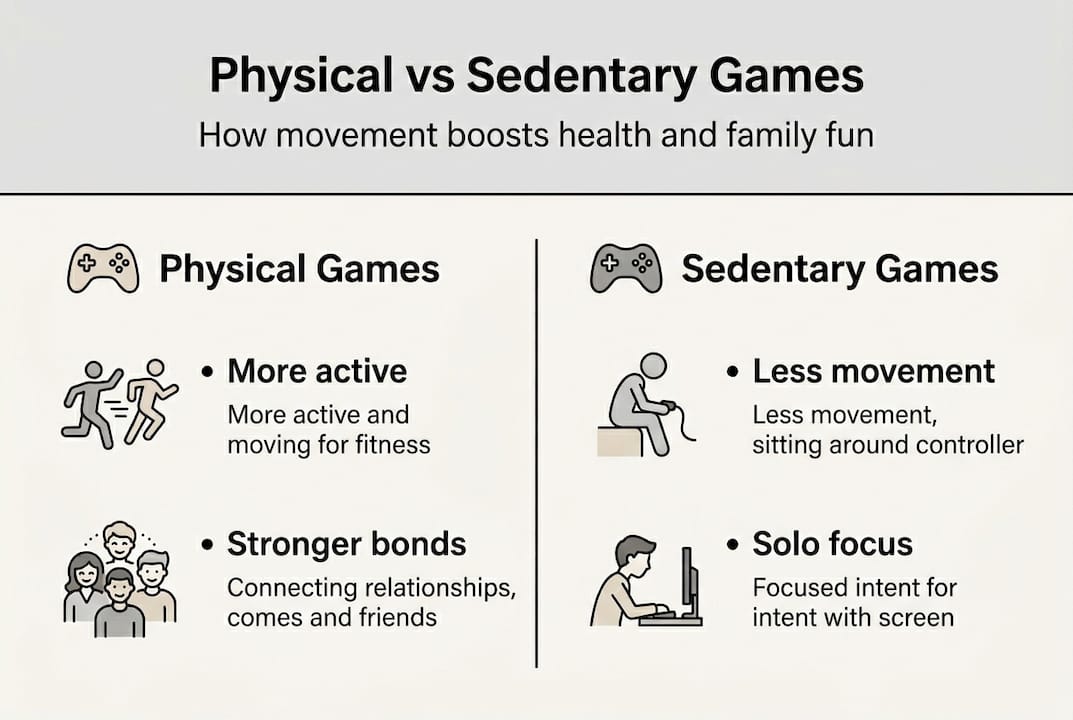
The gap is real. And the good news is that you don’t need a gym or a sports field to get these benefits. A living room and a willing group are enough.
Pro Tip: For the best results, pick games that blend cooperation with a little friendly competition. Think relay races where teams cheer each other on, or charades where everyone’s laughing together. That mix hits the sweet spot for child development research and adult enjoyment alike.
Strengthening teamwork, empathy, and family connections
Beyond boosting minds and bodies, physical play transforms how we relate to one another.
Cooperative physical games are especially powerful for families and friend groups. When people play together toward a shared goal, something shifts. Cooperative games foster teamwork and empathy, reduce aggression, and increase sharing behavior compared to purely competitive formats. That’s a meaningful change in how people treat each other, and it happens naturally through play.
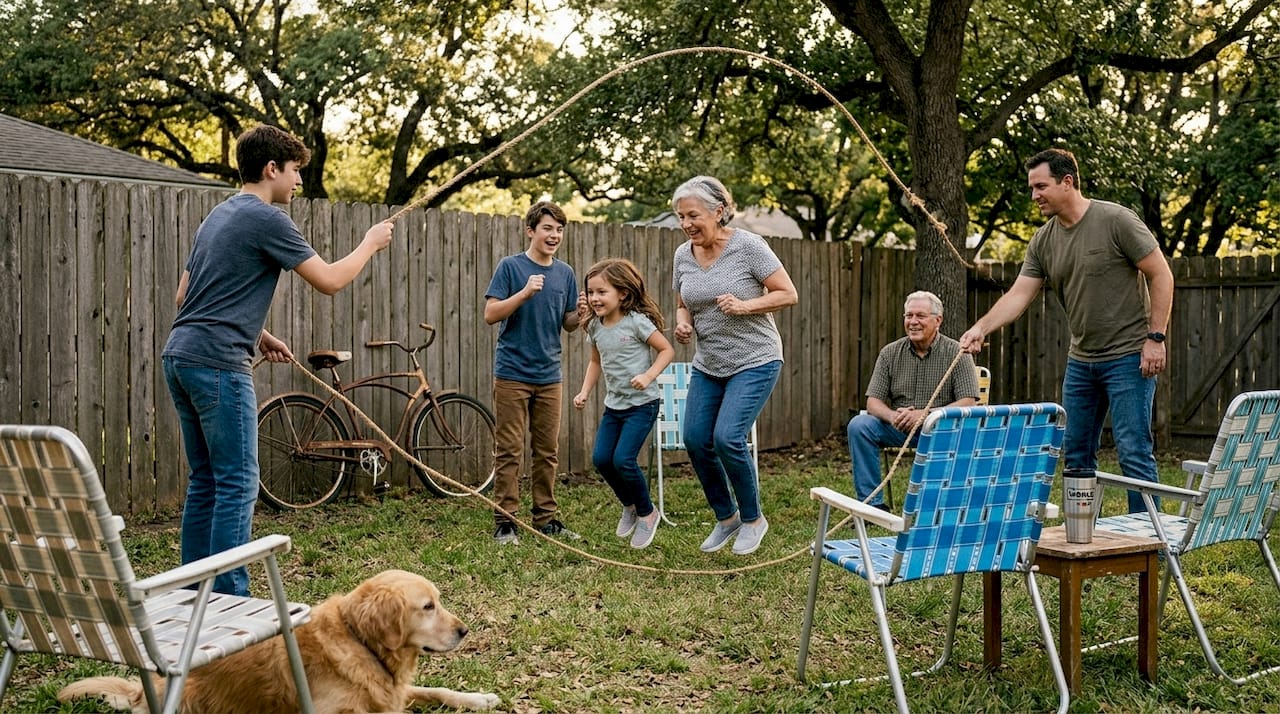
For families specifically, the impact runs deep. Physical games build stronger family bonds, improve communication, and create emotional connections more effectively than digital games, thanks to that irreplaceable face-to-face, tactile engagement.
Here’s what we consistently see when families make physical games a regular thing:
- More empathy as players learn to read each other’s body language and emotions
- Better communication because games require real-time listening and responding
- Fewer arguments since shared laughter diffuses tension naturally
- Stronger shared memories that kids (and adults) actually talk about later
- Greater inclusion when everyone from grandparents to toddlers can join in
“Face-to-face physical play creates a depth of bonding that digital interaction simply cannot replicate. The shared experience of movement, laughter, and even mild frustration builds emotional resilience and trust.”
This is why physical games shine at parties, reunions, and regular family nights. They create the kind of teamwork in physical games that doesn’t feel forced or structured. It just happens because everyone’s in it together, moving, laughing, and occasionally falling over.
Choosing the right physical games for your group
If you’re ready to bring these benefits to your gathering, here’s how to get started and make every player feel included.
Picking the right game matters more than people think. A game that’s too competitive can alienate shy players. One that’s too complex can slow everything down. Here’s a simple process we use:
- Count your players and ages. Small groups (4 to 6) work well with charades or Simon Says. Larger groups (8 or more) thrive with relay races or team-based games.
- Check your space. Outdoors? Tag and relay games are perfect. Indoors with limited room? Try indoor activity ideas like freeze dance or balloon challenges.
- Mix skill levels intentionally. Pair stronger players with younger or less confident ones to keep things balanced and fun.
- Choose your format. Research shows that cooperative formats like 2v2 team games prioritize social enjoyment over intense individual competition, making them ideal for mixed-age family inclusion.
- Keep rules simple. One page of rules max. If you can’t explain it in 60 seconds, simplify it.
Stat to know: A 40 to 60% mix of cooperative and competitive elements in physical games is considered optimal for building life skills like resilience, communication, and sportsmanship.
Pro Tip: Rotate team captains every round and mix up team compositions regularly. This keeps things fresh, prevents cliques from forming, and gives every player a moment to lead. For team-game suggestions that work across ages, look for formats where everyone has a clear role.
For shy players or big age gaps, start with low-stakes games where silliness is the point. Simon Says and freeze dance are perfect because there’s no real losing, just laughing.
The overlooked power of low-stakes play
Here’s something we’ve noticed after years of family game nights: the most memorable moments rarely come from the most elaborate setups.
Families often over-engineer fun. They buy complex games with thick rulebooks, set up elaborate obstacle courses, or stress about whether everyone’s engaged. But the truth? A spontaneous round of tag or a charades session with zero props almost always produces more laughter and connection than anything carefully planned.
Simple, low-pressure physical games, think Simon Says, freeze dance, or a silly relay race, remove the performance anxiety that can creep into more structured play. When the stakes are low, people stop worrying about winning and start actually playing. That’s when the real bonding happens.
We’ve seen it over and over: the round where someone trips doing a silly walk, or the charades guess that makes no sense but everyone loses it anyway. Those moments stick. They become the stories families tell at the next gathering.
Our honest take? Don’t wait for the perfect setup. Grab your group, pick something from our simple team activities list, and embrace the chaos. Perfection is overrated. Laughter is the whole point.
Try The World Game for your next gathering
If this article got you excited about bringing more active, face-to-face fun to your next game night, you’re going to love what we’ve put together at Playworldgame.com.

The World Game is your go-to spot for fast, social games that get people laughing, moving, and connecting. Whether you’re hosting a family night, a girls’ night, a couples’ evening, or a big backyard party, we’ve got game formats that fit every group size, age range, and vibe. Browse our full lineup and find your next favorite way to play together. Because the best game nights aren’t just fun. They’re the ones everyone talks about for weeks.
Frequently asked questions
What are examples of physical games for all ages?
Classic examples include tag, relay races, charades, Simon Says, and team-based ball games. These work across age groups because the rules are simple and the energy is contagious.
How do physical games benefit emotional wellbeing?
They reduce stress and strengthen emotional connections through laughter and real-time interaction. Physical games build family bonds more effectively than digital alternatives because of that face-to-face engagement.
Are cooperative games better for children than competitive ones?
For most family settings, yes. Cooperative games foster more sharing, empathy, and teamwork, and they’re especially helpful for less assertive or younger children who might feel overwhelmed by intense competition.
How can families include everyone in physical games?
Choose games with simple rules, rotate team compositions, and lean toward cooperative formats. Cooperative formats like 2v2 prioritize social enjoyment over vigorous individual competition, making them ideal for mixed-age groups.
What if I have limited space?
Indoor games like charades, Simon Says, or freeze dance need only a small room and zero equipment. They’re perfect for apartments, living rooms, or any space where running isn’t an option.