


Every parent faces the challenge of finding meaningful ways for kids to connect while learning new things. Community in board gaming is more than playing—it is a shared social experience where children build friendships, practice teamwork, and explore diverse cultures. This matters because these groups welcome children of all backgrounds, turning play into a powerful tool for both learning and personal growth. Here, you will discover how inclusive board gaming communities enrich your child’s mind and foster real-world curiosity.
Table of Contents
- What Community Means in Board Gaming
- Types of Board Game Communities for Kids
- How Community Enhances Learning and Growth
- Community Building in Families and Schools
- Pitfalls, Challenges, and How to Overcome Them
Key Takeaways
| Point | Details |
|---|---|
| Community Complexity | Board gaming communities serve as intricate social networks, providing shared experiences that go beyond mere gameplay. |
| Types of Communities | Various board game communities, such as family game nights and educational programs, cater to different social and cognitive development needs for children. |
| Learning Enhancement | Board game communities facilitate cognitive, social-emotional learning, and academic engagement through cooperative interactions. |
| Overcoming Challenges | Addressing communication barriers and group dynamics is essential for fostering inclusive and engaging gameplay environments. |
What Community Means in Board Gaming
Board gaming communities are far more complex than casual observers might imagine. These are not just groups of people playing games together, but intricate social networks with deep psychological and cultural dynamics. Gaming communities represent sophisticated social ecosystems that transcend traditional boundaries of interaction.
At its core, a board gaming community represents a shared social experience where participants connect through mutual interests, strategic thinking, and collaborative play. These groups are characterized by several key attributes:
- Mutual learning and skill development
- Collaborative problem-solving
- Social bonding through competitive and cooperative gameplay
- Cultural exchange and understanding
- Intergenerational interaction
Modern board gaming communities have dramatically evolved from traditional game nights. Contemporary board gaming culture emphasizes inclusivity and accessibility, welcoming participants across age groups, skill levels, and backgrounds. This transformation has turned board gaming from a niche hobby into a vibrant, dynamic social phenomenon.
Social Interaction Dynamics
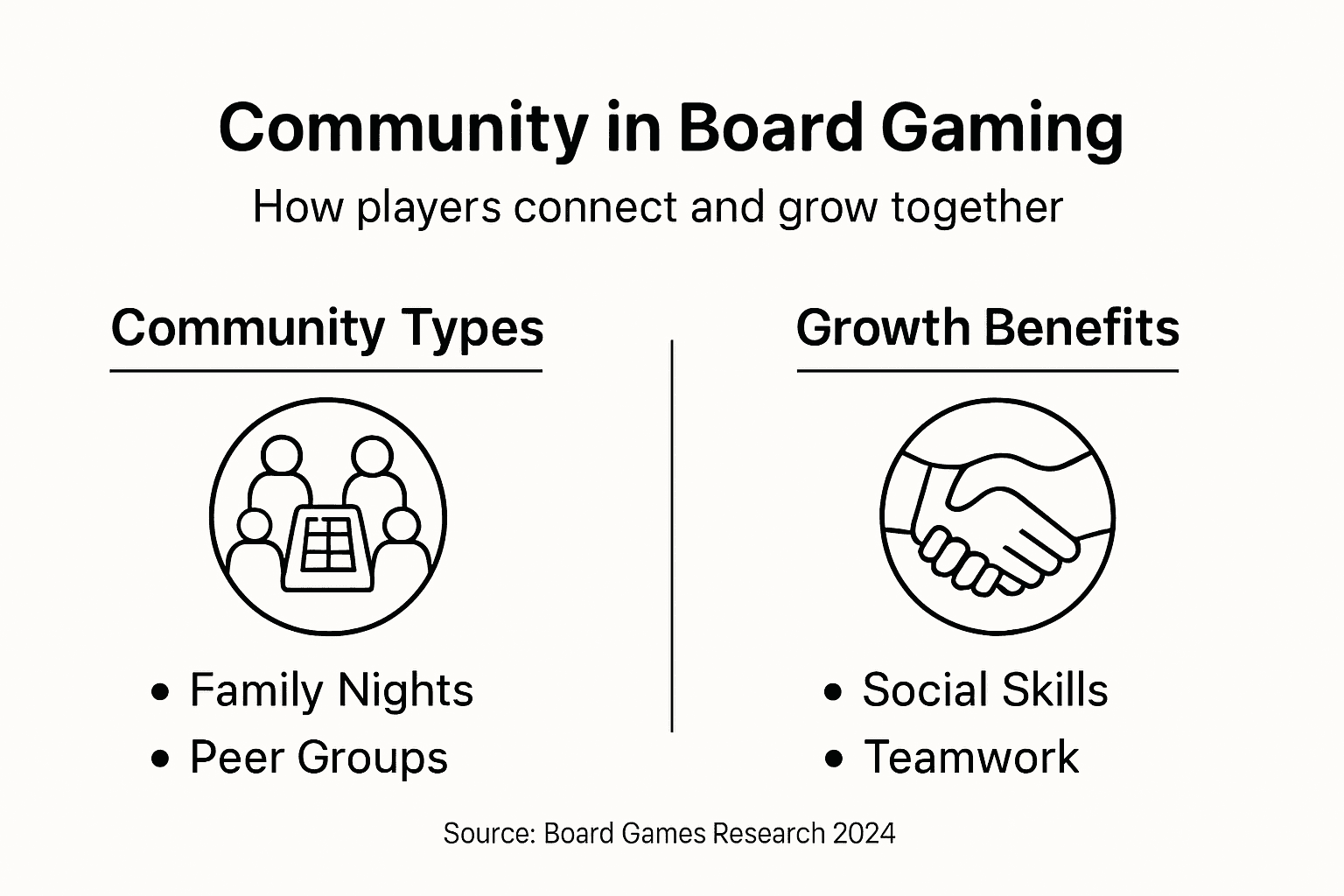
The social dynamics within board gaming communities are remarkably nuanced. Players aren’t just competing; they’re building relationships, developing communication skills, and creating shared narratives. These interactions often extend beyond game sessions, creating lasting friendships and networks that support personal growth and learning.
Pro tip: Start building your board gaming community by hosting inclusive game nights that welcome players of all skill levels and backgrounds.
Types of Board Game Communities for Kids
Collaborative board game communities for kids represent diverse social learning environments that extend far beyond simple gameplay. These communities emerge in multiple contexts, each offering unique opportunities for children’s social and cognitive development.
Board game communities for children typically fall into several distinct categories:
-
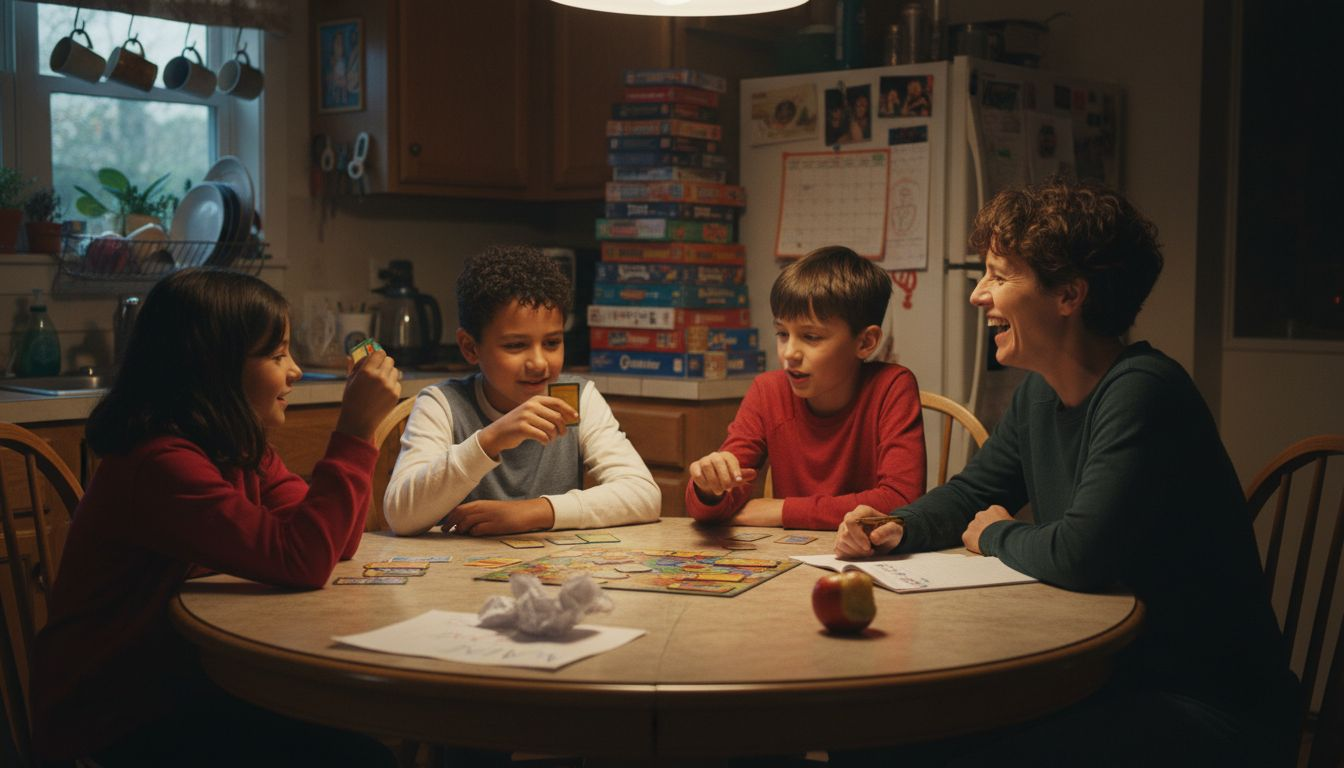
Family Game Night Communities
- Intimate, home-based play environments
- Parents and siblings as primary participants
- Focus on bonding and shared learning experiences
-
Peer Group Communities
- School-based or neighborhood game groups
- Age-similar players exploring competitive and cooperative dynamics
- Developing social skills through structured play
-
Educational Program Communities
- Structured learning environments like after-school clubs
- Supervised gameplay with intentional educational objectives
- Integrating board games into curriculum-based learning
Digital and Physical Interaction
Game-making platforms offer collaborative learning spaces where children not only play but also design and share game experiences. These communities blur traditional boundaries between players and creators, encouraging creativity and peer-driven learning.
Each community type provides unique benefits. Family game nights build intimate connections, peer groups develop social competencies, and educational programs use games as sophisticated learning tools. These environments help children develop critical thinking, communication skills, and emotional intelligence through playful interactions.
Here’s a summary of how different types of board game communities benefit children’s development:
| Community Type | Unique Strength | Key Social Benefit |
|---|---|---|
| Family Game Night | Safe, supportive environment | Reinforces family bonds |
| Peer Group | Age-based interaction | Builds peer cooperation skills |
| Educational Program | Learning goal integration | Enhances cognitive development |
| Digital/Online Platform | Creative collaborative creation | Expands diverse social networks |
Pro tip: Create diverse game experiences by rotating between different community types to maximize learning and social engagement.
How Community Enhances Learning and Growth
Board game communities create powerful learning environments that transform passive play into active cognitive development. These social spaces go far beyond simple entertainment, becoming dynamic platforms for comprehensive skill building and personal growth.
The learning enhancements provided by board game communities include several critical developmental advantages:
-
Cognitive Skill Development
- Enhanced problem-solving capabilities
- Improved strategic thinking
- Increased executive function skills
-
Social-Emotional Learning
- Better communication skills
- Emotional regulation through gameplay
- Understanding cooperative and competitive dynamics
-
Academic Performance Indicators
- Increased motivation for learning
- Improved engagement with educational content
- Application of game-learned strategies to academic challenges
Collaborative Learning Mechanisms
Gamified learning environments significantly boost academic performance by creating engaging, interactive platforms for knowledge acquisition. These communities leverage social constructivist principles, where learning emerges through collaborative interaction and shared experiences.
The transformative power of board game communities lies in their ability to make learning intrinsically motivating. By turning educational experiences into social, interactive challenges, children naturally develop complex skills without feeling like they are being formally instructed. The game becomes a vehicle for learning, with peers and community members serving as dynamic educational supports.
Pro tip: Intentionally design game experiences that challenge players to collaborate, communicate, and strategize to maximize community-driven learning.
Community Building in Families and Schools
Board games serve as powerful interventions in developing stronger connections between families, schools, and educational communities. These interactive experiences create unique opportunities for collaborative learning and relationship building that extend far beyond traditional educational methods.
Successful community building through board games involves several strategic approaches:
-
Family Engagement Strategies
- Regular game nights with structured learning objectives
- Intergenerational gameplay sessions
- Collaborative problem-solving experiences
-
School-Based Community Development
- Incorporating board games into classroom curriculum
- Using games as team-building activities
- Creating inclusive learning environments
-
Relationship Enhancement Techniques
- Promoting communication through shared gameplay
- Developing empathy and understanding
- Building trust through cooperative experiences
Collaborative Learning Dynamics
Cooperative board games facilitate family-school partnerships by simulating real-world challenges and promoting mutual understanding. These interactive experiences help break down traditional barriers between home and educational environments, creating more holistic learning ecosystems.
The most effective community-building strategies recognize that board games are more than just entertainment. They are sophisticated social tools that help participants develop critical communication skills, emotional intelligence, and collaborative problem-solving abilities. By intentionally designing gameplay experiences that encourage interaction, families and schools can create powerful learning communities that support comprehensive child development.
Pro tip: Choose board games that require collaboration and communication to maximize community-building potential.
Pitfalls, Challenges, and How to Overcome Them
Communication challenges can significantly impact board gaming communities, creating barriers that potentially undermine the collaborative learning experience. Understanding these obstacles is crucial for creating inclusive, engaging gameplay environments that support diverse participant needs.
Key challenges in board gaming communities include:
-
Communication Barriers
- Language differences
- Varied communication styles
- Accessibility limitations
-
Group Dynamics Issues
- Skill level disparities
- Personality conflicts
- Unequal participation
-
Structural Implementation Challenges
- Lack of resources
- Resistance to game-based learning
- Complex game mechanics
Overcoming Community Challenges
Game-based learning implementation strategies require careful planning and adaptive approaches. Successful facilitation involves creating supportive environments that address individual participant needs while maintaining the core educational and social objectives of board gaming.
Effective strategies for mitigating challenges include developing flexible game rules, providing clear communication guidelines, and creating supportive frameworks that encourage participation from all skill levels. By anticipating potential barriers and proactively designing inclusive experiences, communities can transform potential obstacles into opportunities for growth and connection.
This table contrasts major challenges in board gaming communities and effective solutions:
| Challenge | Example Issue | Strategy to Overcome |
|---|---|---|
| Communication Barriers | Language differences | Use visual aids, clarify instructions |
| Group Dynamics | Unequal participation | Rotate roles to involve everyone |
| Structural Implementation | Limited resources | Select games with simple setups |
Pro tip: Design game experiences with built-in adaptability, allowing participants to modify rules and engagement levels to suit diverse needs.
Build Meaningful Connections with Educational Board Games
The journey to fostering strong community bonds and nurturing cognitive growth starts with the right tools. This article highlights the transformative power of board gaming communities in developing social skills and learning. At https://playworldgame.com, we understand the importance of inclusive gameplay that brings families, schools, and friends together while inspiring curiosity about geography and culture.
Discover a wide range of engaging products designed to promote collaboration, communication, and critical thinking. Whether you want to strengthen family ties or create dynamic educational experiences, our collection offers games that embrace diverse learning environments and challenge players to grow together.

Explore the possibilities today by browsing our thoughtfully crafted selection in Browse All Games | The World Game. Join our growing community and take the next step toward making learning a joyful social adventure at https://playworldgame.com. Your path to building a vibrant board gaming community awaits.
Frequently Asked Questions
What are the benefits of being part of a board gaming community?
Being part of a board gaming community enhances social interaction, fosters mutual learning, and encourages skill development. Participants build relationships, engage in cooperative problem-solving, and experience cultural exchanges that contribute to personal growth.
How do board games promote learning and cognitive development in children?
Board games promote learning and cognitive development by enhancing problem-solving capabilities, improving strategic thinking, and increasing executive function skills. They also enable social-emotional learning, which includes better communication skills and emotional regulation through gameplay.
What types of board game communities exist for children?
There are several types of board game communities for children, including family game night communities, peer group communities, and educational program communities. Each type offers unique benefits such as emotional bonding, social skill development, and structured learning opportunities.
How can families and schools effectively build board gaming communities?
Families and schools can effectively build board gaming communities by regularly organizing game nights focused on collaboration, integrating board games into the curriculum, and promoting communication through shared gameplay experiences. This helps create inclusive learning environments that strengthen family and school partnerships.