


Every parent faces moments when bringing the whole family together for screen-free fun feels nearly impossible. Yet, finding ways to blend learning with genuine connection can turn those struggles into lasting memories. By focusing on meaningful family engagement and choosing educational games centered around geography, you spark curiosity and build stronger bonds, making every group activity both enjoyable and rewarding.
Table of Contents
- Step 1: Assess Interests And Learning Goals
- Step 2: Select Engaging Educational Games
- Step 3: Prepare Game Materials And Play Area
- Step 4: Facilitate Interactive Gameplay
- Step 5: Evaluate Learning Outcomes And Engagement
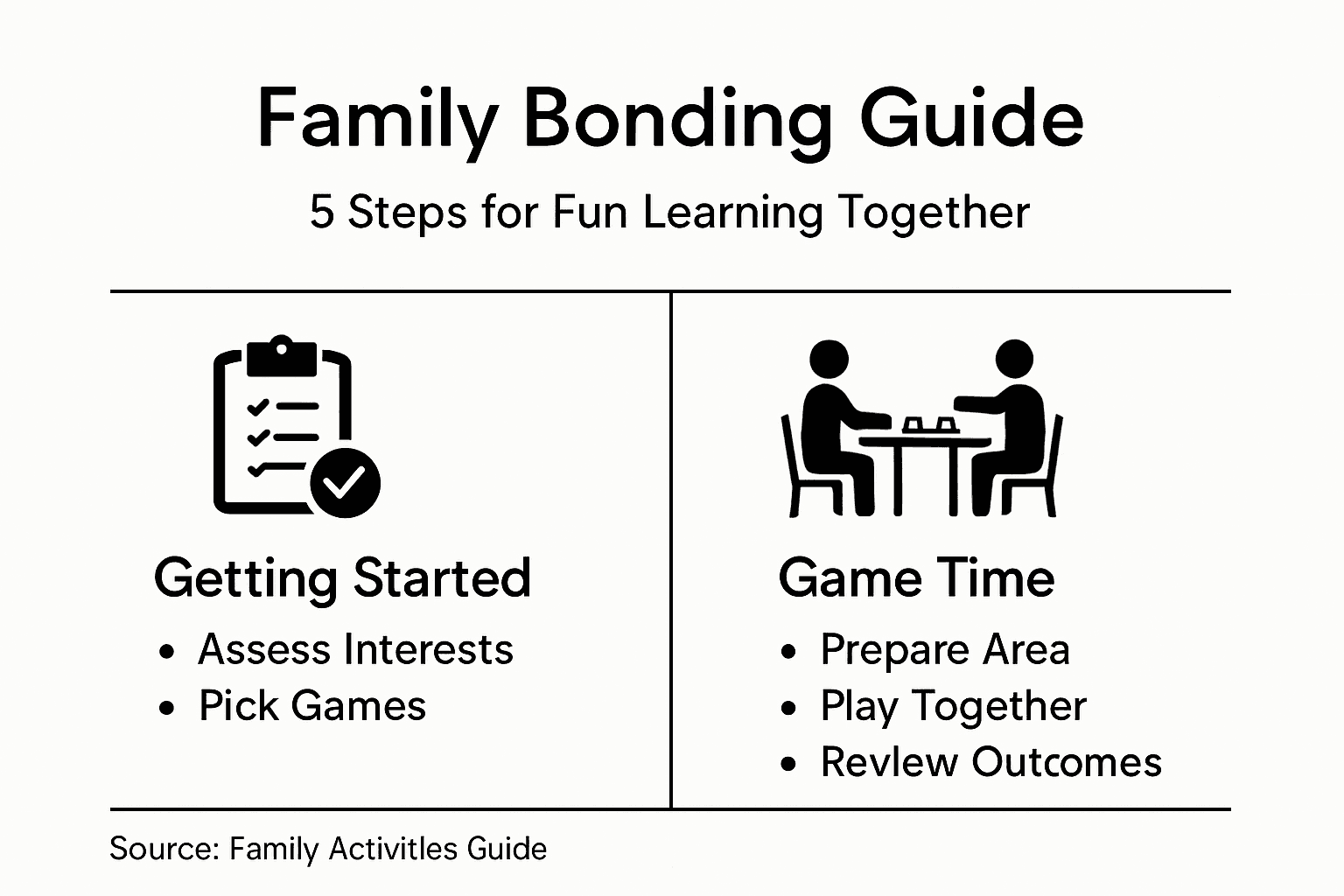
Quick Summary
| Key Point | Explanation |
|---|---|
| 1. Identify family interests | Host a session where each member shares 3-5 interests to align learning activities with passions. |
| 2. Choose educational games wisely | Select games that match interests and provide challenges while promoting collaboration for effective learning experiences. |
| 3. Set up an engaging play area | Create a clutter-free, comfortable environment with good lighting to enhance interaction and minimize distractions. |
| 4. Facilitate interactive gameplay | Use clear rules and encourage active participation to keep everyone engaged while ensuring learning feels like play. |
| 5. Evaluate learning outcomes collaboratively | Discuss skills gained and enthusiasm levels post-game to understand overall impact and improve future learning experiences. |
Step 1: Assess interests and learning goals
Discovering your family’s unique educational interests and learning goals is the foundational step in creating engaging and meaningful learning experiences together. By understanding each family member’s passions and curiosity, you’ll craft activities that spark genuine excitement and commitment.
Start by hosting a family discovery session where everyone can share their current interests. Meaningful family engagement begins with open communication and listening. Use these strategies to uncover learning motivations:
- Ask each family member to list 3-5 topics they find fascinating
- Discuss what skills they want to develop in the next few months
- Explore potential learning styles (visual, auditory, hands-on)
- Rate current activities by enjoyment and perceived difficulty
Encourage honest and judgment-free sharing. Some family members might be more hesitant, so create a supportive environment where everyone feels comfortable expressing their interests. The goal is discovering authentic motivations, not creating pressure.
The most powerful learning happens when curiosity meets supportive exploration.
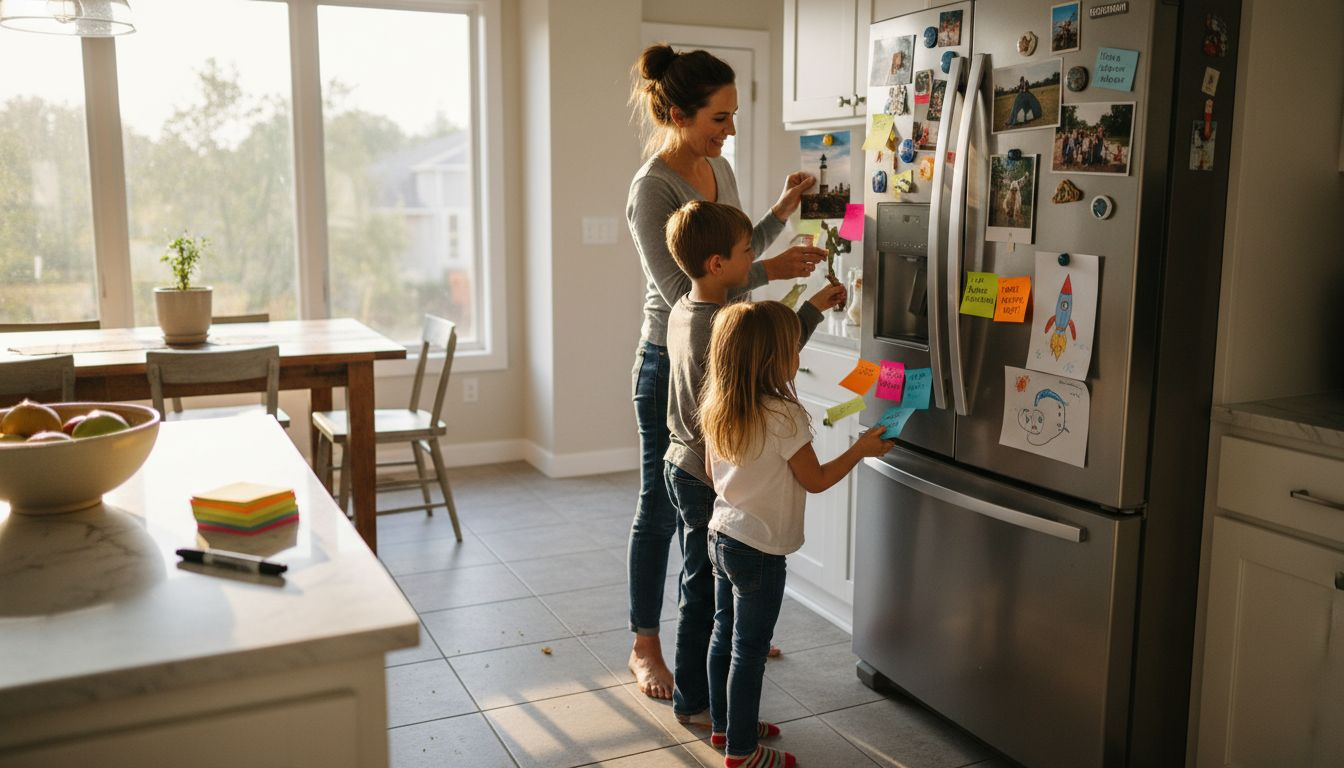
Pro tip: Create a colorful family interest board where everyone can visually map their learning goals and track progress throughout the year.
Step 2: Select engaging educational games
Choosing the right educational games transforms learning from a chore into an exciting family adventure. Your goal is to find activities that blend entertainment with genuine skill development, creating memorable experiences that spark curiosity and connection.
Interactive educational platforms offer incredible opportunities for families to learn together. When selecting games, focus on these key selection criteria:
- Align games with your family’s identified learning interests
- Choose activities that challenge without overwhelming
- Prioritize games that encourage collaboration
- Select options with multiple difficulty levels
- Look for games that teach transferable skills
Consider diverse game formats that match different learning styles. Some families might enjoy board games exploring geography, while others prefer digital platforms with interactive challenges. Digital and physical games each offer unique benefits. Digital games provide immediate feedback and adaptive difficulty, while physical games encourage face-to-face interaction and reduce screen time.
Here’s a quick comparison of digital vs. physical educational games for families:
| Aspect | Digital Games Benefits | Physical Games Benefits |
|---|---|---|
| Feedback | Instant, adaptive | Direct from family interaction |
| Engagement Style | Interactive screens | Hands-on, face-to-face |
| Skill Areas | Tech skills, math, logic | Social skills, communication |
| Screen Time Impact | Increases | Reduces |
| Setup Needs | Minimal, device only | Physical space, game materials |
The best educational games feel more like play than learning.
Start with shorter game sessions to maintain enthusiasm and prevent burnout. Rotate game types to keep the experience fresh and engaging, ensuring everyone remains motivated and excited about learning together.
Pro tip: Create a family game rotation schedule that introduces new educational games monthly, allowing everyone to anticipate and look forward to learning adventures.
Step 3: Prepare game materials and play area
Creating the perfect play environment sets the stage for an engaging and memorable family learning experience. Your mission is to design a welcoming space that encourages interaction, minimizes distractions, and maximizes fun and educational potential.
Inclusive game preparation strategies are crucial for ensuring everyone can participate and enjoy the game. Follow these essential setup guidelines:
- Clear a dedicated space free from clutter
- Gather all necessary game materials in advance
- Ensure comfortable seating for all participants
- Have backup supplies like extra pencils and notepads
- Create good lighting and minimize electronic distractions
Consider the physical layout carefully. Arrange seating in a circle to promote eye contact and equal participation. This setup helps everyone feel included and makes communication easier. If you have younger children, use cushions or floor mats to create a relaxed environment that keeps everyone comfortable.
A well-prepared play area transforms learning from a task into an adventure.
Remember that flexibility is key. Be prepared to adjust your setup based on the specific game you’re playing and your family’s unique dynamics. Some games might require table space, while others work better with more open floor areas.
Pro tip: Designate a special game drawer or shelf where all educational game materials are stored, making setup quick and keeping everything organized for future family game nights.
Step 4: Facilitate interactive gameplay
Making educational games truly engaging requires more than just explaining rules. Your role is to transform gameplay into an exciting, collaborative learning experience that keeps everyone motivated and invested.
Interactive learning structures are key to maintaining enthusiasm and participation. Follow these critical facilitation strategies:
- Establish clear, positive ground rules
- Encourage active participation from all players
- Ask open-ended questions that promote deeper thinking
- Rotate roles to keep everyone engaged
- Use gentle guidance instead of strict correction
Watch the group dynamics carefully and be prepared to adjust your approach. Some family members might need extra encouragement, while others might require gentle redirection to keep the game flowing smoothly. Your goal is creating an environment where learning feels like play.
Great facilitators make games feel effortless and fun.
Remember that emotional engagement matters as much as gameplay mechanics. Celebrate small victories, maintain a supportive tone, and focus on the joy of learning together rather than strict competition.
Pro tip: Create a fun reward system that recognizes learning efforts, not just game winners, to keep motivation high and make every participant feel valued.
Step 5: Evaluate learning outcomes and engagement
Measuring the success of your family’s educational game experience goes beyond simple test scores. Your goal is to understand how the gameplay has impacted each family member’s knowledge, skills, and overall enthusiasm for learning.
Game-based learning research suggests evaluating multiple dimensions of engagement. Consider these comprehensive assessment strategies:
Use this summary to guide your family learning evaluation process:
| Evaluation Focus | What to Observe | Why It Matters |
|---|---|---|
| Skill Development | New abilities gained | Tracks academic or life skills |
| Engagement | Enthusiasm and involvement | Signals true interest |
| Knowledge Growth | Recall before and after games | Measures concrete learning |
| Emotional Impact | Increased confidence, joy | Builds positive learning mindset |
| Motivation | Desire to play and learn more | Drives ongoing participation |
- Track specific skills learned during gameplay
- Observe changes in family members’ confidence levels
- Note enthusiasm and willingness to play future educational games
- Compare pre-game and post-game knowledge
- Document unexpected learning moments
The evaluation process should be collaborative and conversational. Instead of treating it like a formal assessment, make it a fun discussion where everyone shares their perspectives. Ask open-ended questions that invite reflection, such as “What was the most interesting thing you learned?” or “How did this game make you see something differently?”
True learning happens when curiosity meets meaningful reflection.
Remember that emotional and motivational outcomes are just as important as factual knowledge. A game that sparks curiosity and creates positive associations with learning is ultimately more valuable than one that simply transfers information.
Pro tip: Create a simple, colorful family learning journal where you can track game experiences, insights, and personal growth throughout your educational gaming journey.
Strengthen Family Bonds with Fun Educational Games
Finding engaging activities that turn learning into joyful family moments can be challenging. This guide highlights the importance of tailoring educational games to your family’s unique interests, creating interactive experiences, and reflecting on meaningful outcomes. If you want to bring these concepts to life and spark curiosity about geography, cultures, and general knowledge, explore our curated collection built specifically for families like yours.

Discover the perfect games to match your family’s learning goals by visiting our Browse All Games | The World Game. Each game offers hands-on fun that promotes collaboration and knowledge growth. Don’t wait to create unforgettable family moments filled with laughter and learning. Visit Play World Game now to find your next educational adventure and start bonding through play today.
Frequently Asked Questions
How do I assess my family’s educational interests and learning goals?
To assess your family’s educational interests, hold a family discovery session where each member shares 3-5 topics they find fascinating. Encourage open communication and honest sharing to identify genuine passions, which will help you plan engaging activities that everyone will enjoy.
What types of educational games should we choose for family bonding?
Select educational games that align with your family’s identified interests and abilities. Focus on games that encourage collaboration, challenge everyone appropriately, and offer different difficulty levels to ensure all family members can participate and enjoy learning together.
How can we create a fun and engaging play area for learning games?
To create a fun play area, clear a dedicated space free from clutter and gather all necessary game materials in advance. Ensure comfortable seating and good lighting, and consider arranging seating in a circle for better interaction and communication among family members.
What strategies can I use to facilitate interactive gameplay during educational activities?
Facilitate interactive gameplay by establishing clear and positive rules while encouraging active participation from everyone. Use open-ended questions to promote deeper thinking, and rotate roles among family members to keep the experience engaging and collaborative.
How should we evaluate the effectiveness of our educational gaming experiences?
Evaluate the effectiveness of your educational gaming by observing skill development, engagement levels, and emotional impact. Allow family members to share their thoughts and reflections on what they learned and how they felt during the games, fostering a positive learning environment.
What should we do if a family member loses interest during a game?
If a family member loses interest, gently encourage them by asking their thoughts or adjusting the game’s pace to re-engage them. Consider switching to a different game format or activity that better captures their interest, ensuring that everyone feels included and motivated.
Recommended
- Role of Family Games at Home: Educational Impact - The World Game
- Role of Family Games at Home: Educational Impact - The World Game
- Role of Family Games at Home: Educational Impact - The World Game
- Role of Family Games at Home: Educational Impact - The World Game
- 10 Creative Photography Ideas to Try at Home - Amateur Photographer Guide