


TL;DR:
- Structured party games teach social skills like turn-taking, negotiation, and emotional regulation.
- Cooperative games foster inclusivity and bonded teamwork, reducing frustration and conflict.
- Choosing appropriate, simple, and inclusive games enhances connection across diverse and age-varied groups.
Most people grab a party game to fill time between dinner and dessert. Fair enough. But it turns out those rounds of Codenames or Telestrations are doing something much more interesting under the surface. Structured party games teach key social skills like turn-taking, negotiation, emotional regulation, and coping with winning and losing. That is not a small thing. Whether you are hosting a family game night, a girls’ night in, or a casual get-together with neighbors, the games you choose can quietly shape how everyone in the room connects, communicates, and grows together.
Table of Contents
- Why social skills matter in gatherings
- Core ways party games build social skills
- Choosing games that foster inclusion and connection
- Game recommendations for building social skills
- A deeper look: What most guides miss about party games and social skills
- Ready to level up your next gathering?
- Frequently asked questions
Key Takeaways
| Point | Details |
|---|---|
| Games develop real skills | Party games go beyond entertainment to teach valuable social abilities like communication and cooperation. |
| Choose inclusive activities | Selecting simple, cooperative games ensures everyone can join in and benefit, regardless of age or ability. |
| Adapt to your group | Read your group’s needs and provide brief rule explanations for the best experience. |
| Regular play fuels progress | Consistent game nights offer ongoing chances to build and reinforce social skills. |
Why social skills matter in gatherings
Social skills are not just about being polite. In a group setting, they are the invisible glue holding everything together. Think about what actually makes a gathering feel good: people listen to each other, nobody dominates the conversation, disagreements get resolved without drama, and everyone feels included. That is all social skill at work.
When those skills are underdeveloped, things get awkward fast. Someone talks over everyone else. A kid melts down when they lose. A shy guest fades into the background. These moments are not character flaws. They are gaps in practiced social behavior, and the good news is that gaps can be filled.
Here are the core social skills that come alive in group gatherings:
- Turn-taking: Waiting your turn without losing interest or acting out
- Cooperation: Working toward a shared goal with people you may not know well
- Negotiation: Finding common ground when people want different things
- Active listening: Actually absorbing what others say instead of just waiting to speak
- Emotional regulation: Managing frustration, excitement, or disappointment in real time
- Coping with outcomes: Handling both winning and losing with grace
These skills ripple outward. A kid who learns to wait their turn in a game is practicing the same patience they will need in a classroom or on a sports team. An adult who navigates a tricky negotiation in Werewolf is sharpening instincts they use in meetings and relationships.
Research shows that gamification significantly improves social skills in primary students, including appropriate social behavior and reduced inappropriate assertiveness, when used in structured programs.
The key word there is structured. Games provide a framework. There are rules, roles, and clear consequences. That structure is exactly what makes them such an effective, low-pressure environment for how games foster social skills across all ages. And unlike a lecture or a worksheet, nobody groans when you bring out a card game.
Core ways party games build social skills
So how does it actually work? It is not magic. It is mechanics. Every game mechanic puts a specific social muscle to work, and repeated play builds real strength over time.
Here are the five key skill areas and the game mechanics that activate them:
- Turn-taking is built into nearly every game. Waiting for your turn, respecting the pace of others, and staying engaged when it is not your moment are all practiced naturally during play.
- Negotiation shows up in social deduction games like Werewolf, where players must persuade, read body language, and form alliances. These are real-world skills dressed up as fun.
- Teamwork is the backbone of cooperative games. When everyone wins or loses together, the incentive to communicate and collaborate becomes genuine, not forced.
- Emotional regulation gets tested every time someone draws a bad card, loses a round, or gets called out. Managing that reaction in a safe, low-stakes setting builds real resilience.
- Communication is sharpened in games like Codenames, where giving a one-word clue that connects multiple cards requires clarity, creativity, and shared understanding.
Party games build social skills through exactly this kind of repeated, structured practice. And the benefits go beyond typical development. Board games enhance cooperation and prosocial behaviors in children with developmental needs, including ADHD, making them a genuinely powerful tool for diverse groups.
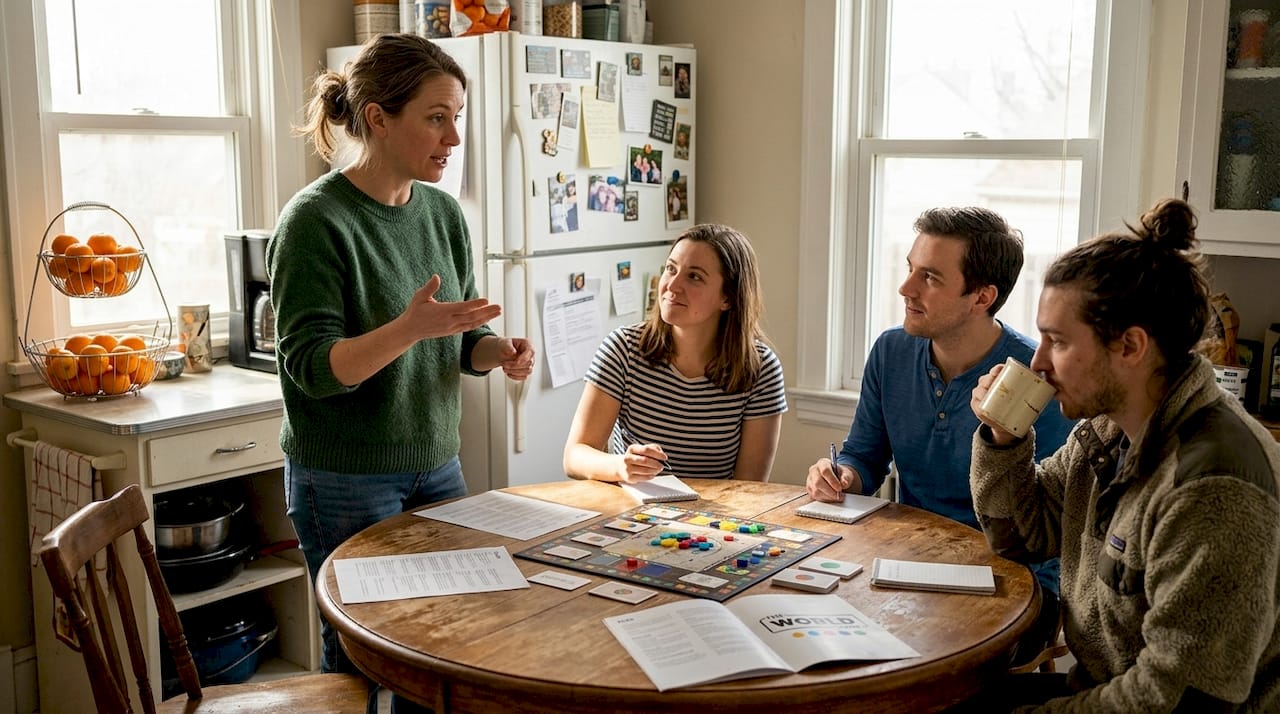
Pro Tip: Before starting any new game with a mixed group, do a quick two-minute demo round. Walk through one full turn so everyone sees the mechanics in action. This one habit alone prevents most of the frustration that comes from skill or age mismatches.
When everyone understands what is expected, the social magic actually happens. Nobody is left guessing, nobody feels embarrassed, and the focus shifts from figuring out the rules to actually connecting with the people across the table. That is where party games for bonding really earn their place on the shelf.
Choosing games that foster inclusion and connection
Knowing the benefits is one thing. Picking the right game for your specific group is where most people get tripped up. Not every game works for every crowd, and a mismatch can do more harm than good.
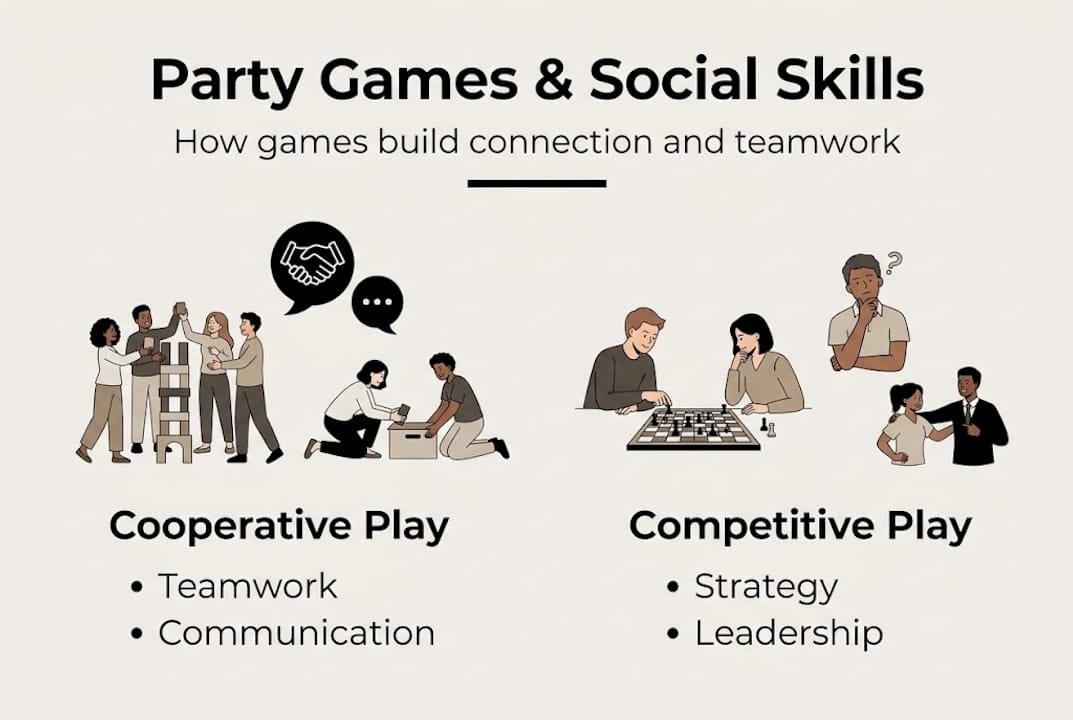
Here is a quick comparison to help you decide between cooperative and competitive formats:
| Feature | Cooperative games | Competitive games |
|---|---|---|
| Social skill focus | Teamwork, communication, shared goals | Strategy, negotiation, resilience |
| Inclusivity | High, everyone works together | Moderate, depends on game design |
| Frustration risk | Low | Higher, especially for younger players |
| Best for | Mixed ages, new groups, neurodiverse players | Experienced players, tight friend groups |
| Example games | Fishbowl, Pandemic, Codenames (team mode) | Werewolf, trivia games, Blokus |
Cooperative party games foster teamwork and bonding more effectively than competitive ones because the shared goal removes the sting of individual failure. When the whole team loses, nobody feels singled out.
Pro Tip: For mixed-age or diverse groups, lean toward physical or communication-based games. These level the playing field because they do not reward prior knowledge or fast reading.
Here are the features worth prioritizing when you browse your options:
- Simple rules that can be explained in under three minutes
- Flexible team sizes so latecomers or early leavers do not break the game
- Low reading requirements for younger or neurodiverse players
- Room for humor and laughter so the tone stays light
- No elimination mechanics that leave players sitting out for long stretches
And here is what to avoid: highly competitive or edgy games can alienate shy participants and diverse groups. Games with sharp humor, complex strategy, or heavy scoring pressure can flip the vibe from inclusive to stressful pretty quickly. Save those for your established game night crew.
Game recommendations for building social skills
Now that you know what to look for, here are some proven picks that actually deliver on the social skill front. We have organized them so you can match the game to your group’s needs.
| Game | Social skill focus | Group size | Inclusivity notes |
|---|---|---|---|
| Codenames | Communication, shared thinking | 4 to 8 | Best for older kids and adults |
| Telestrations | Empathy, laughter, listening | 4 to 12 | Great for all ages |
| Fishbowl | Teamwork, communication | 6 to 20 | Highly flexible, easy to learn |
| Werewolf | Negotiation, reading people | 6 to 16 | Better for teens and adults |
| Pictionary | Non-verbal communication | 4 to 10 | Works well across age groups |
Codenames improves communication by requiring concise clues and shared mental models, while Telestrations builds bonds through the shared laughter that comes from spectacular misunderstandings. Both are genuinely fun AND doing real social work at the same time.
Communication-focused games provide safe practice for listening, empathy, negotiation, and even non-verbal cues. That is a lot of value packed into a single game night.
Here are some quick-start tips for introducing new games at your next gathering:
- Pick one game in advance and read the rules yourself before anyone arrives.
- Set up the game before guests sit down so there is no awkward waiting.
- Do a demo round out loud so everyone sees it in action before playing for real.
- Keep the first round low-stakes and frame it as a practice run.
- Watch for anyone who seems confused or left out and gently loop them back in.
For neurodiverse players or younger kids, family social skill games with visual cues, physical movement, or simple turn structures tend to work best. The goal is always to make sure everyone feels capable and included from the very first turn.
A deeper look: What most guides miss about party games and social skills
Here is the honest truth we have learned from hosting a LOT of game nights: not every game works for every group, and pretending otherwise sets people up for disappointment.
We have seen cooperative games fall flat when one player takes over and everyone else checks out. We have watched competitive games spark genuine hurt feelings in groups that were not ready for that level of intensity. The game was not the problem. The fit was.
The real skill in hosting is reading your group before you pick the game. Are these people comfortable with each other? Are there big age gaps? Is anyone anxious about looking silly? Those answers should drive your game choice more than any top-ten list.
Games excel for neurodiverse kids through structured cooperation, but group mismatch, like pairing experienced players with beginners, can create frustration that undoes all the social benefits. Always demo rules briefly and stay flexible.
The other thing most guides skip: consistency matters more than intensity. One perfect game night does less than ten relaxed, regular ones. Low-stakes, repeated play is where the real social growth happens. Check out real-world party game results from families who have made this a habit. The difference is noticeable.
Ready to level up your next gathering?
You now have the research, the framework, and the game recommendations to turn any get-together into a genuinely skill-building, connection-deepening experience. The best part? It still just feels like playing games.

We built the Playworld Game collection with exactly this kind of game night in mind. Fast to learn, fun for real people, and designed to get everyone talking, laughing, and connecting. Whether you are shopping for a family night, a gift, or your next party, you will find curated options that deliver on both fun and social value. Dig into more on social skill games to keep building your knowledge and your game shelf.
Frequently asked questions
How do party games actually improve social skills?
Structured party games create a controlled, low-pressure setting where players repeatedly practice turn-taking, negotiation, and emotional regulation in real time. The rules provide a safe framework that makes social interaction feel natural rather than forced.
Are cooperative or competitive games better for building social skills?
Cooperative games foster teamwork and bonding more reliably because shared goals reduce individual pressure. Competitive games can build resilience and negotiation skills, but they carry a higher risk of emotional dysregulation, especially for younger or more sensitive players.
What are some recommended party games for shy or neurodiverse participants?
Try simple, cooperative, or communication-based games like Fishbowl, Telestrations, or team guessing games. Structured cooperation helps neurodiverse kids thrive, so avoid high-pressure, fast-paced, or elimination-style games that can feel overwhelming.
How can I make sure all ages enjoy the games?
Choose games with simple, flexible rules and always run a quick demo round before playing for real. Physical and low-complexity games tend to work best for mixed-age groups because they level the playing field and keep everyone engaged from the start.